Regions in Scotland: How to Choose Where to Visit
This post may contain affiliate / compensated links. As an Amazon Associate, I also earn from qualifying purchases at no extra cost to you. For full information, please see my disclaimer here. Thank you!
From the rugged peaks of the West Highlands to the vast windswept beaches of the east coast, each of Scotland’s regions has its own distinct character. So, which ones should you visit?
In this guide, I’ve broken down the main regions in Scotland, what they’re famous for, the top things to do and the best bases to stay in to help you decide what to add to your itinerary.
Whether you’re looking for classic Highland scenery, ancient standing stones, fairytale castles, hidden gems off the beaten path or the best food and drink, each region offers its own unique experience.
If you’re exploring without a car, many of these regions are surprisingly easy to explore by train, ferry and bus. I’ve travelled extensively around Scotland using public transport, and some of my favourite wildlife encounters, island adventures and hiking trails have been reached without ever getting behind the wheel.
Aberdeenshire
Aberdeenshire covers the northeastern tip of Scotland, fanning out from Aberdeen to Cullen in the north and south to St Cyrus National Nature Reserve. It also shares a portion of the eastern side of the Cairngorms National Park with Ben Macdui, the second-highest mountain in Britain.
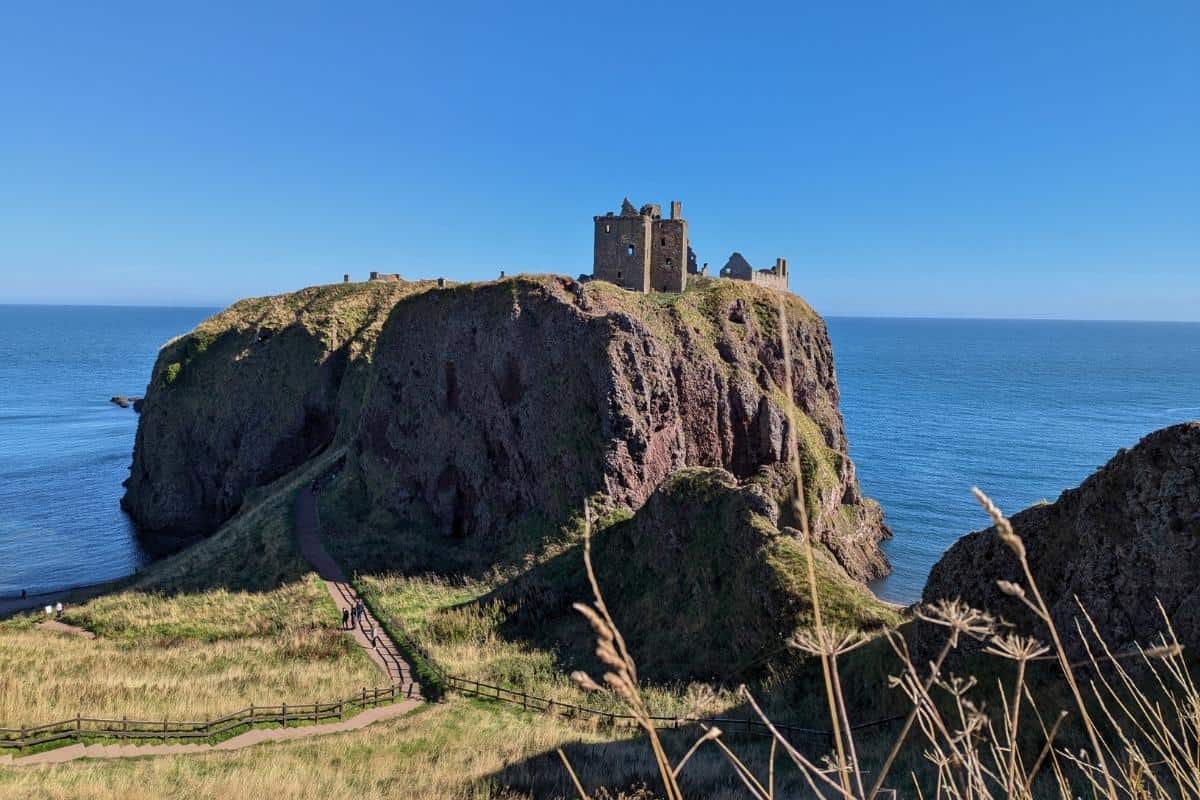
The landscape is incredibly diverse. You can expect vast sandy beaches, rugged cliffs and open horizons along the North Sea coast, rolling into lush farmlands and forest-covered mountains.
There are castles galore here, and notable ones to visit include the cinematic-looking Dunnottar Castle near Stonehaven, the fairytale Castle Fraser and Fyvie Castle, as well as Slains Castle, Craigievar Castle and Balmoral.
Base yourself in the port city of Aberdeen, the ‘Granite City’, or stay in Stonehaven for a scenic seaside getaway. Both places are reachable by train from Edinburgh, making Aberdeenshire one of the easier regions to explore without a car, particularly if you enjoy coastal walks and castle-focused day trips.
Best bases in Aberdeenshire:
- Aberdeen – east coast city base with connections to Edinburgh and Inverness
- Stonehaven – seaside town with cosy inns and Dunnottar Castle
Argyll & the Isles
Argyll and the Isles are part of the west coast of Scotland, stretching from the mainland to 23 inhabited islands. The Highland landscape is rugged and remote, carved by sea and inland lochs. In the south is the Kintyre Peninsula, the closest point to Northern Ireland.

Notable towns in the region include Inveraray, with its palatial-looking castle on the shores of Loch Fyne and Oban, the ‘Gateway to the Isles’ on Loch Linnhe. From Oban, you can take a ferry to the Isle of Mull or do boat tours of Iona and the Treshnish Isles. If wildlife and island-hopping are your thing, this is one of Scotland’s best regions to explore without a car.
Other islands to visit include Islay, known for its whisky and Jura, as well as Coll and Tiree. Of the four, Tiree is my favourite for beaches and wildlife, while Islay is hard to beat if you’re interested in whisky. For lovers of ancient history, Kilmartin Glen is a must-visit, with over 350 monuments dating back 5,000 years.
Stay in Oban for easy access to the Isles. It’s connected by a direct train from Glasgow, and it’s also a convenient base if you’re travelling from Fort William or Glen Coe, making it one of the best towns to stay in Scotland.
My Argyll travel guides:
- 12 Best Things to Do in Oban, Scotland (Car-Free Guide)
- The Isle of Kerrera: An Easy Car-Free Day Trip from Oban
- 20 BEST Things to Do on the Isle Of Mull
- Mull Accommodation: Best Places To Stay on Mull in 2026
- Ultimate 7-Day Scotland West Coast Itinerary Without a Car
- I Visited the Puffins of Lunga: Here’s What It’s Like
Ayrshire & Arran
Ayrshire is carved out of the west coast, just south of Argyll. It’s home to the Isle of Arran, nicknamed ‘Scotland in Miniature,’ for its highlands, lowlands, lochs, castles, distilleries and standing stones.
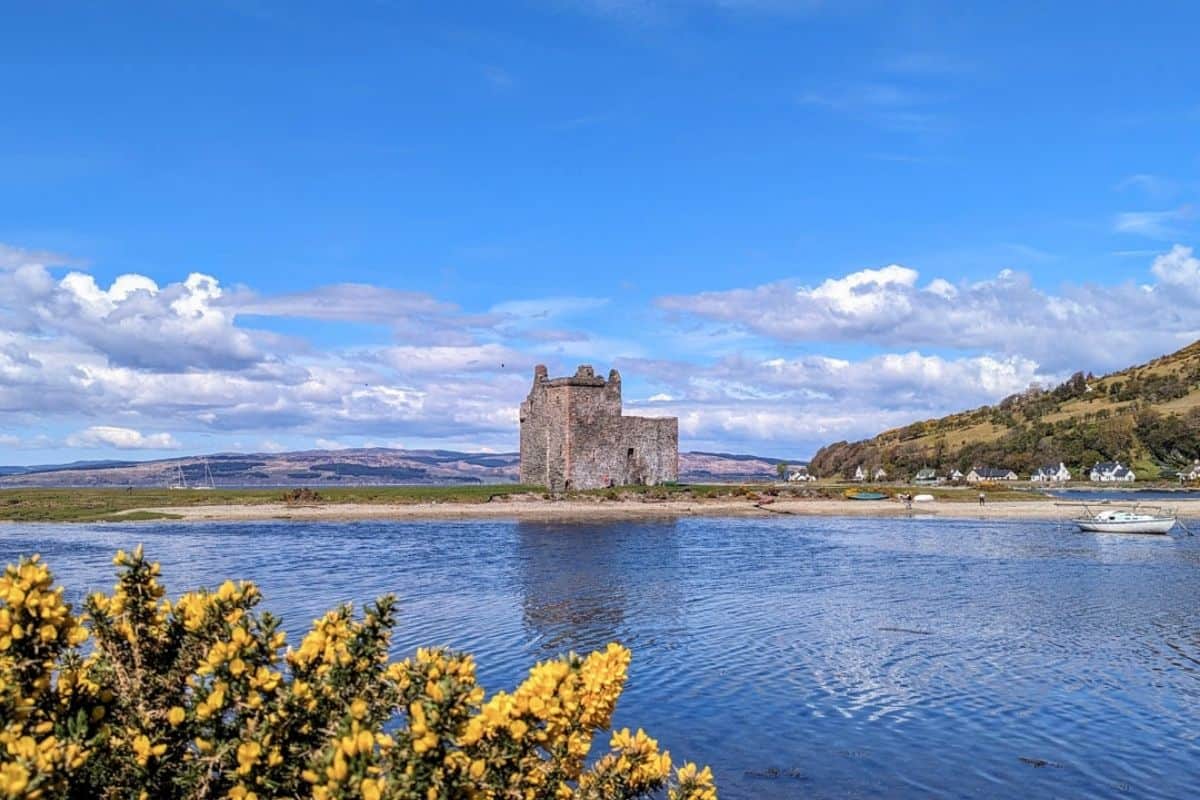
The main town on the island is Brodick, and it’s easily accessible from the mainland with ferries from Troon or Ardrossan Harbour. Trains from Glasgow connect both and line up with the ferries, so it’s one of my favourite island day trips from the city.
Scotland’s National Bard was born just outside Ayr, the region’s main town. You can visit the Robert Burns Birthplace Museum and see the cottage where he spent his early years.
As for scenery, the region has sweeping cliffs and beaches, coastal golf courses, scenic trails along the River Ayr and the dramatic-looking Culzean Castle. If you’re a nature lover, the Galloway and Southern Ayrshire Biosphere is a must. Scotland’s first UNESCO biosphere, it has thick forest and rugged uplands dotted with lochs.
My Ayrshire & Arran guides:
Dumfries & Galloway
When I visited Dumfries and Galloway, I was surprised by how quiet it was compared to other parts of Scotland. I had buses and ancient castle ruins virtually to myself!
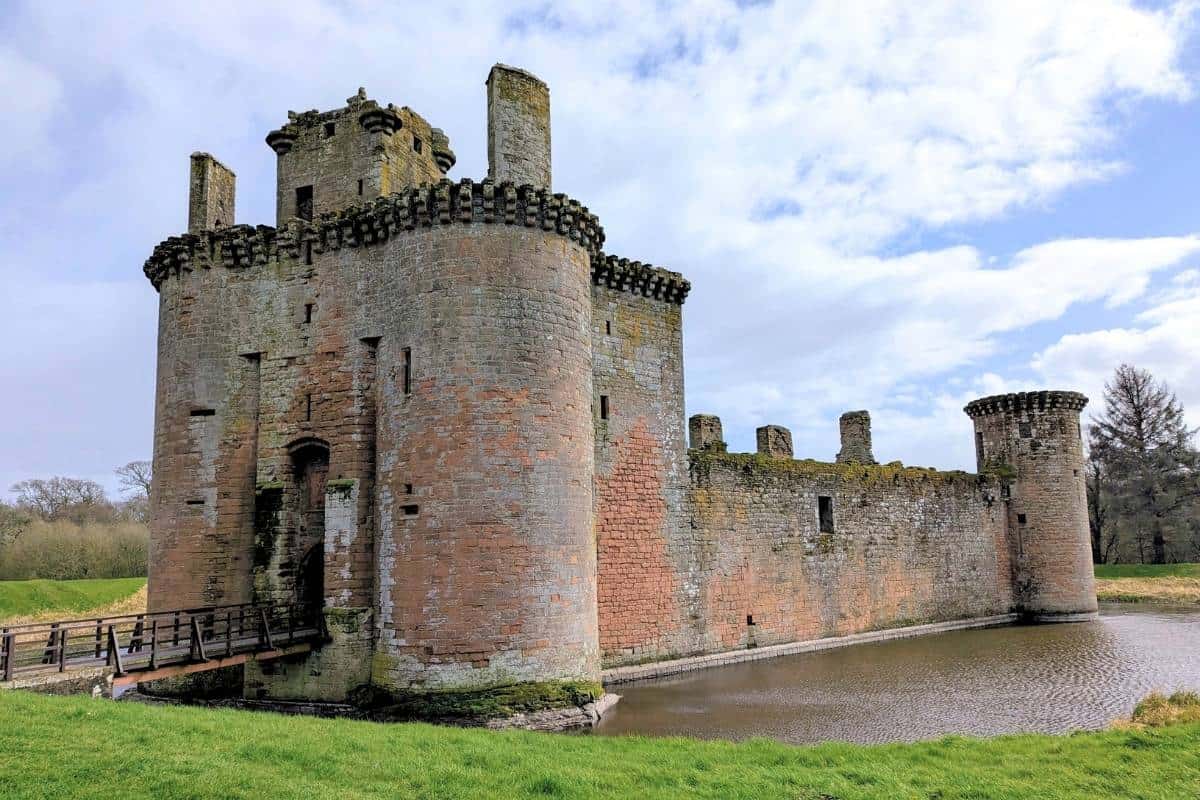
This region spans the southwest coast of Scotland. It shares a biosphere reserve with Southern Ayrshire, and Galloway Forest Park is the largest forest in Britain. It’s also a protected Dark Sky Reserve, giving you unparalleled stargazing on a clear night.
This is one of Scotland’s most underrated regions in my opinion, particularly if you enjoy quiet walking trails, wildlife and places that take you off the tourist trail. You can explore the Mull of Galloway, Scotland’s most southerly point. Near the coast is the ruin of Caerlaverock Castle with its unique triangular shape, surrounded by a moat.
In the north is the Crawick Multiverse, an artland built on a former quarry. If you’re a book lover, Wigtown is Scotland’s National Book Town, with around 15-17 bookshops and an annual literary festival.
Base yourself in Dumfries. The town is well-connected by train from Glasgow or Carlisle. If you want to immerse yourself more in nature, Moffat and Newton Stewart are good options.
Best bases in Dumfries and Galloway:
- Dumfries – largest and most well-connected town in the region
Dundee & Angus
Dundee and Angus is a small region tucked between Aberdeenshire, Perthshire and Fife. It stretches from the east coast up into the southern corner of the Cairngorms National Park.
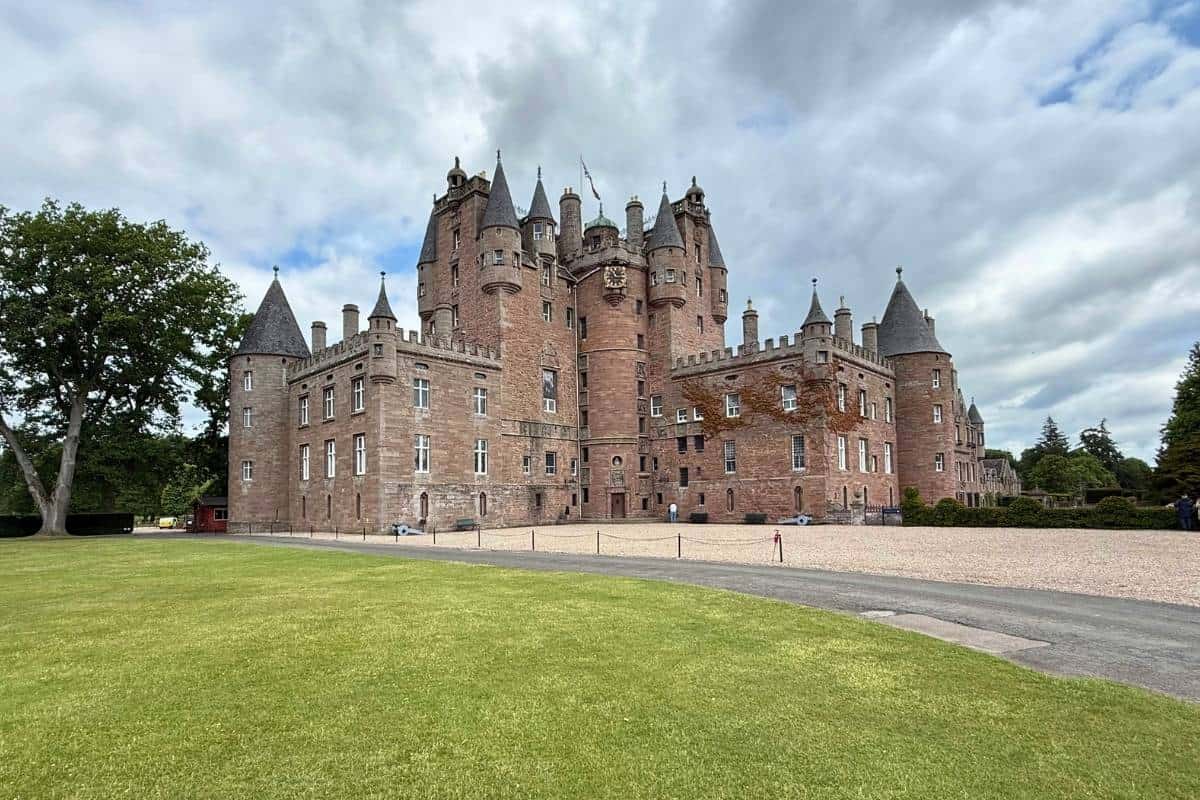
Dundee is Scotland’s sunniest city and a UNESCO City of Design. Notable attractions include the V&A Design Museum, the Tay Whale and the McManus Art Gallery and Museum.
Up the coast is Arbroath, the region’s largest town, famous for its ‘Arbroath Smokies,’ traditional smoked haddock. It also had a scenic harbour, a ruined abbey and the dramatic red sandstone Seaton Cliffs.
Further north and inland, you can see the fascinating Aberlemno Pictish Stones, Glamis Castle and JM Barrie’s birthplace (the author who wrote Peter Pan). If you’re a hiker, the Angus Glens offer some of Scotland’s most underrated mountain scenery without the crowds of the Highlands, particularly around the natural amphitheatre of Glen Cova.
If you’re travelling without a car, base yourself in Dundee, Arbroath or Montrose along the coast as they’re all connected by direct train from Edinburgh.
Edinburgh & the Lothians
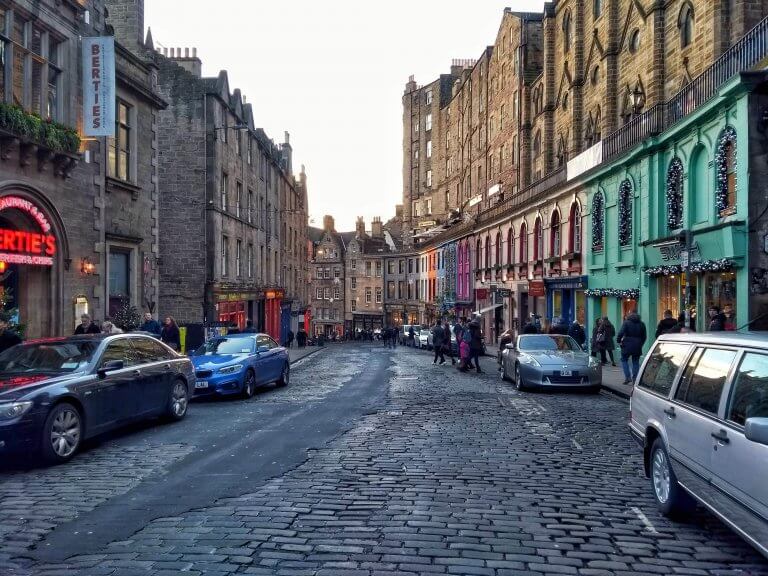
Edinburgh is the capital of Scotland, and it sits within the Lothians region, spanning the south coast of the Firth of Forth from Linlithgow to North Berwick. It’s a diverse and scenic region, with the rolling Pentland Hills to the south, long sandy beaches and quaint fishing villages to the east and patchwork farmlands to the west.
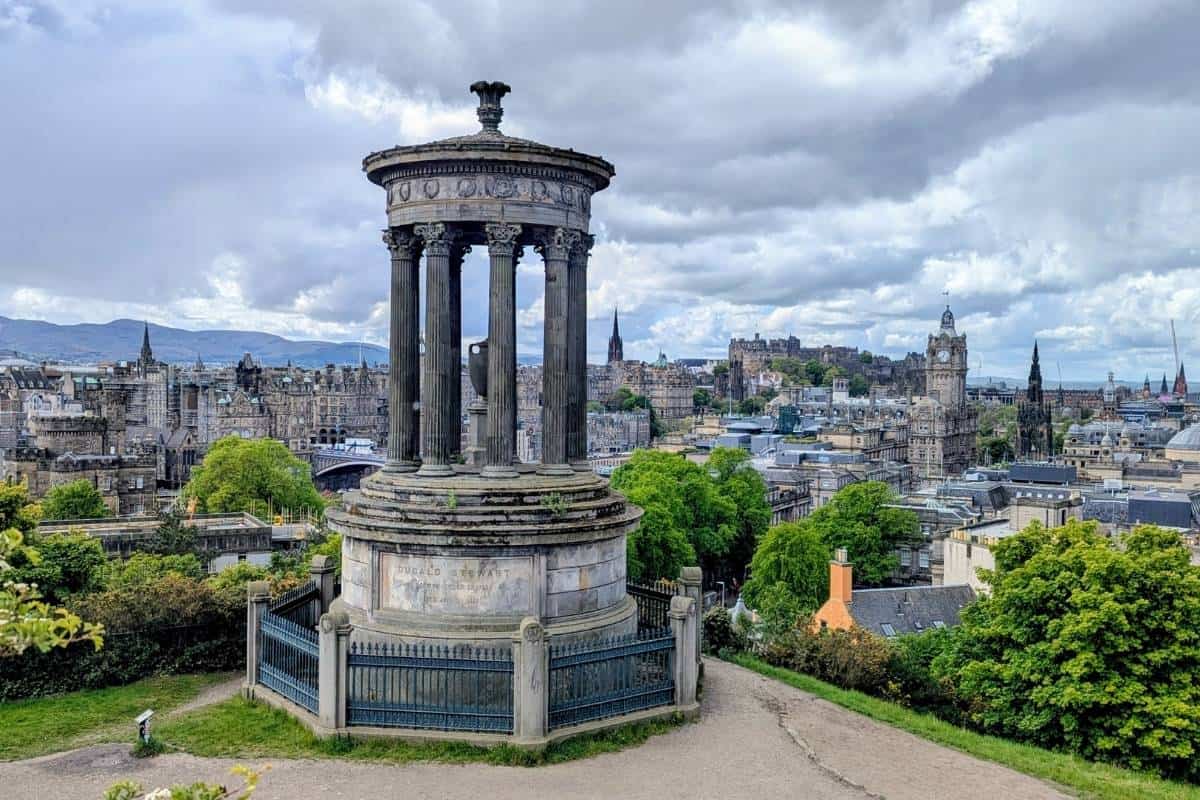
Set on the coast, Edinburgh is a must-visit for any Scottish itinerary. The UNESCO-listed city centre is divided into Old Town and New Town, packed with medieval and neoclassical history. South Queensferry is home to the russet-red Forth Bridge, which links the south with the Kingdom of Fife.
Nestled near the Pentland Hills is Roslin, famous for the 15th-century Rosslyn Chapel. On the east coast, North Berwick and Dunbar are popular seaside day trips from Edinburgh, offering beaches and independent shops.
If you’re a wildlife lover, don’t miss the boat trips to Bass Rock with the Scottish Seabird Centre. This offshore volcanic plug is home to one of the world’s largest Northern gannet colonies, and you can sail up close to it.
Best bases in the region:
- Edinburgh – best for a city break and most public transport connections
- South Queensferry – easy access to the airport and close to the city
Kingdom of Fife
The Kingdom of Fife (or simply Fife) is known as the ‘garden of Scotland.’ Set on the north coast of the Firth of Forth, it’s a region of golf courses, fertile farmland and fresh local produce (particularly strawberries!).
It’s also a fantastic region for pretty villages. On the Firth of Forth coast lies Culross with its cobblestoned streets and mustard-yellow Culross Palace. Further north on the edge of the Lomond Hills is Falkland, with its grand Renaissance palace.
Located on the very edge of the Fife Peninsula, the East Neuk is dotted with terracotta-roofed fishing villages. The largest is Anstruther; St Monans has an old-fashioned windmill, Pittenweem has St Fillan’s Cave, and Crail has a popular art gallery and tearoom overlooking the sea.
All of these villages are joined by the Fife Coastal Path, an 117-mile hiking trail that traces the East Neuk coast. One of my favourite parts of Fife, it’s the kind of place where you can spend an entire day wandering between fishing villages, stopping for coffee, seafood and coastal views.
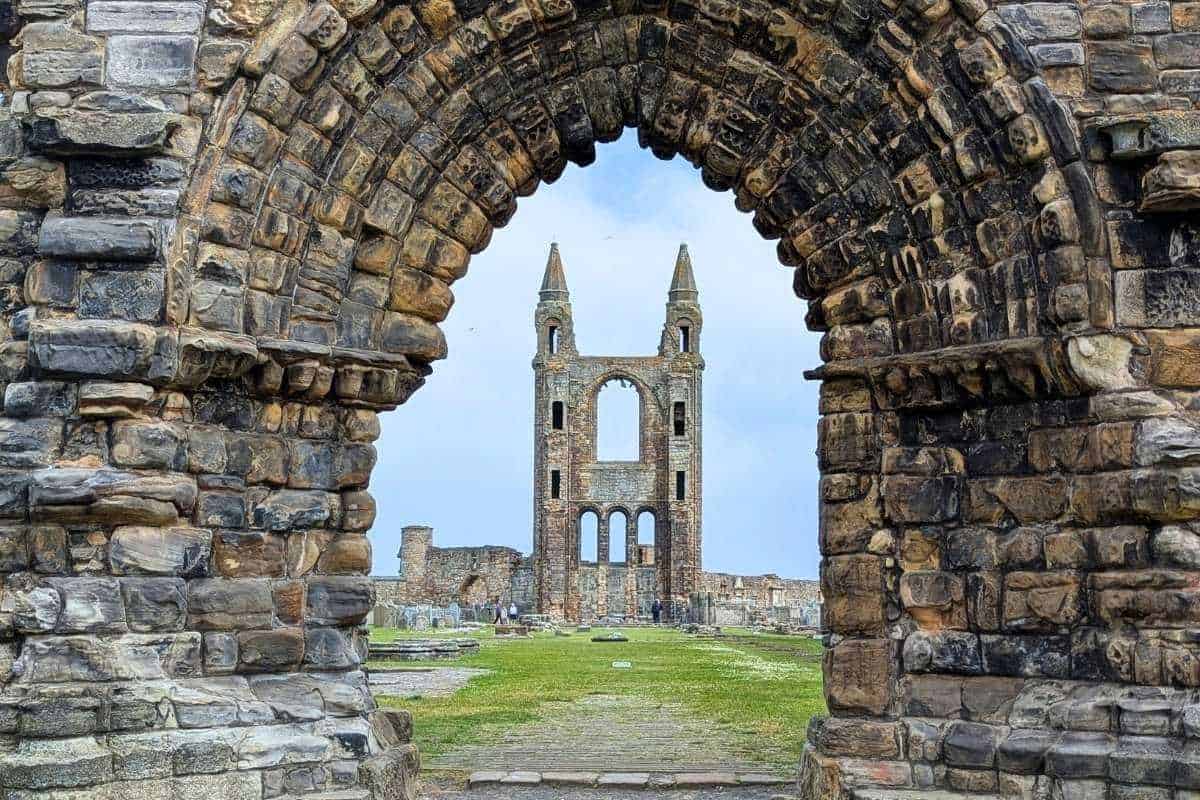
Fife’s most famous town is St Andrews. It’s home to the oldest university in Scotland, the ruins of Scotland’s largest cathedral and the birthplace of golf.
Best bases in Fife:
- St Andrews – best for luxury hotels and golf
- Anstruther – largest of the East Neuk villages and with the most accommodation
Greater Glasgow & the Clyde Valley
This region encompasses Scotland’s largest city and fans out to Greenock on the west coast, Alexandria on Loch Lomond and south through the Clyde Valley. Glasgow is a sprawling city with vibrant neighbourhoods set on the River Clyde.
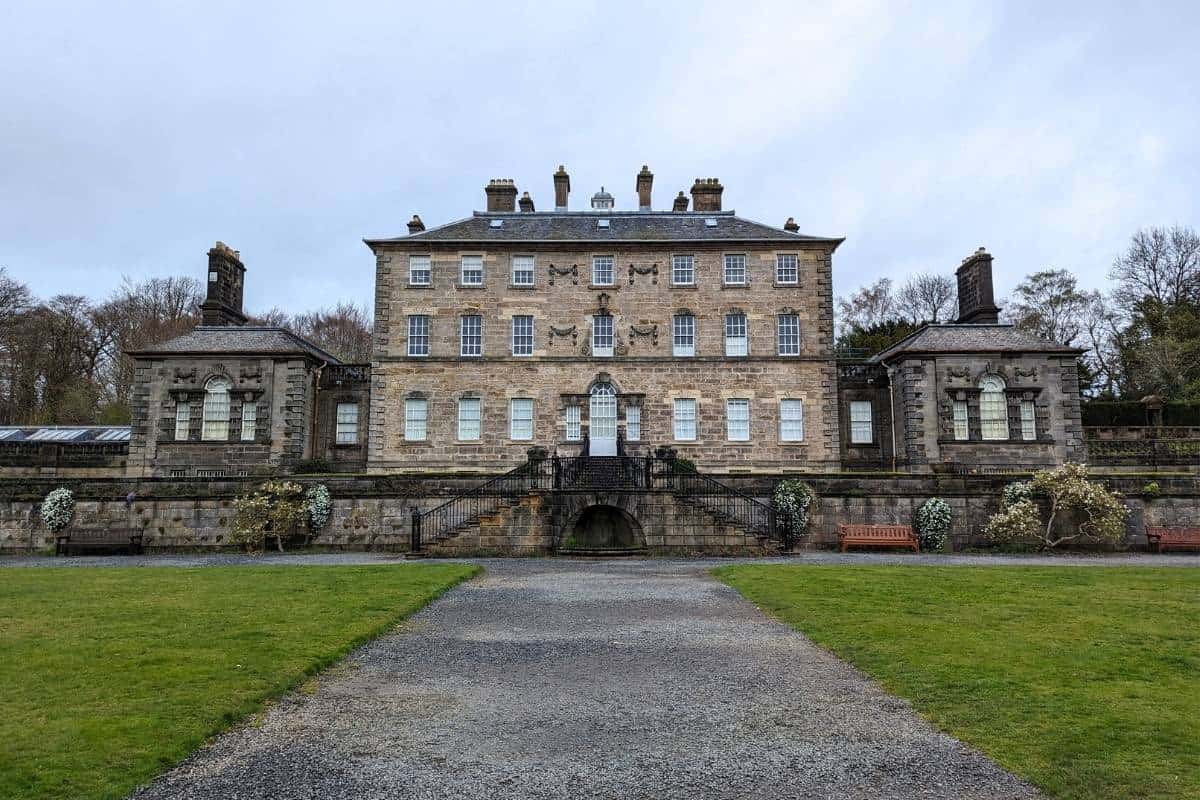
The city centre is home to Glasgow Cathedral and Necropolis, the West End was named Time Out’s coolest neighbourhood, and south of the river lies Pollok Park, which has a herd of Highland cows.
Most visitors just stay in the city, but it’s worth exploring more of the surrounding region. If you’re a history lover, you can see remnants of the Antonine Wall, the Roman Empire’s most northerly frontier.
In New Lanark, you can learn about pioneering reforms that improved industrial working conditions. You can also visit the picturesque market towns of East Kilbride and Biggar, or head north to Balloch on the shores of Loch Lomond for an easy day trip from Glasgow.
My Greater Glasgow guides:
The Highlands
The Scottish Highlands are an enormous region that covers everything north of Buckie and Dufftown in the east and Glencoe to the west. For this guide, I’ve divided it up further so that the Isle of Skye, Moray Speyside and the Northern Highlands are their own subregions based on how people tend to travel. A homogenised region just isn’t helpful to anyone!
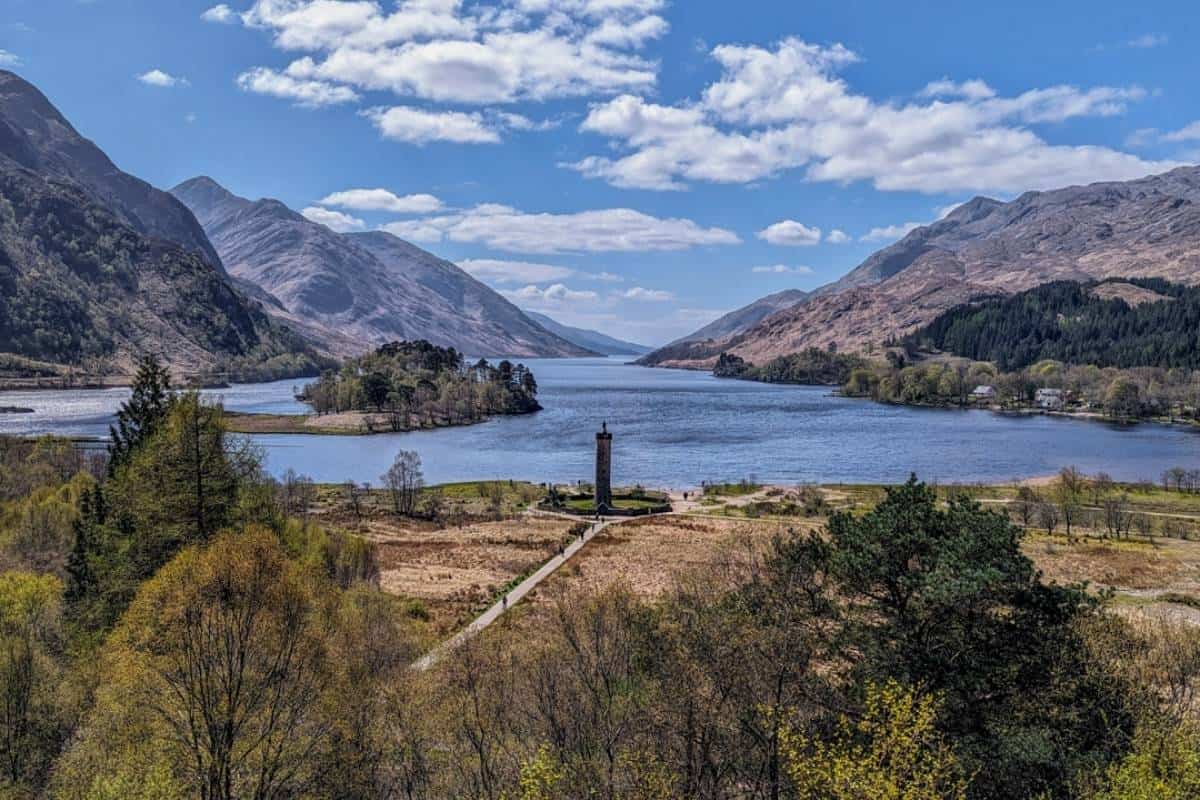
The Highlands are what come to mind when you think of Scotland – rugged peaks, deep glens, mirror-like lochs and vast moorlands. It’s also one of the best regions in the country for car-free outdoor adventures thanks to the West Highland Line, Far North Line and extensive Citylink coach network.
Inverness is its only city, located on the edge of the Moray Firth on the east coast. To the west of it is Loch Ness, famous for its mythical monster, while to the south is the Cairngorms National Park. Here, you can visit Loch Morlich, ride the Cairngorm Mountain Railway or meet the friendly free-roaming reindeer herd.
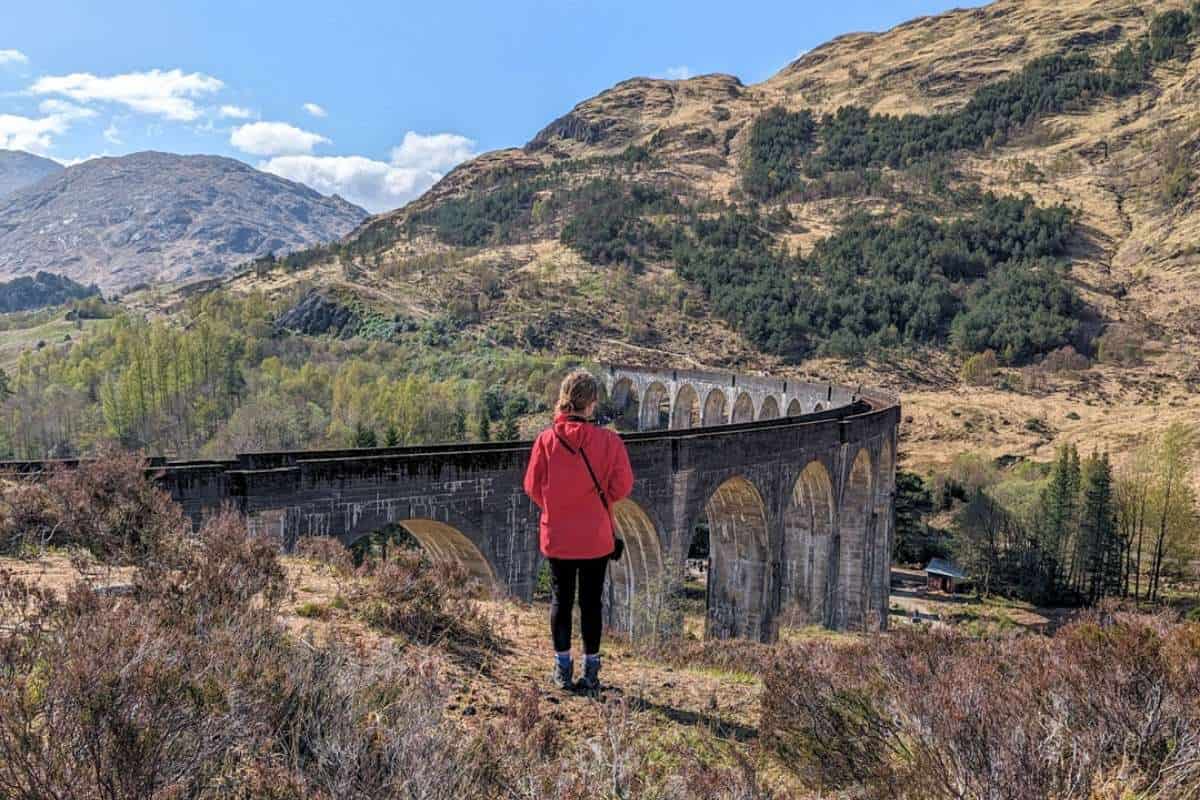
For jaw-dropping scenery, head to the West Highlands. Fort William sits in the shadow of Ben Nevis, the UK’s highest mountain. You can see the famous Jacobite train cross the viaduct in Glenfinnan on the ‘Road to the Isles,’ or pass the dramatic Five Sisters of Kintail on your way to Eilean Donan Castle.
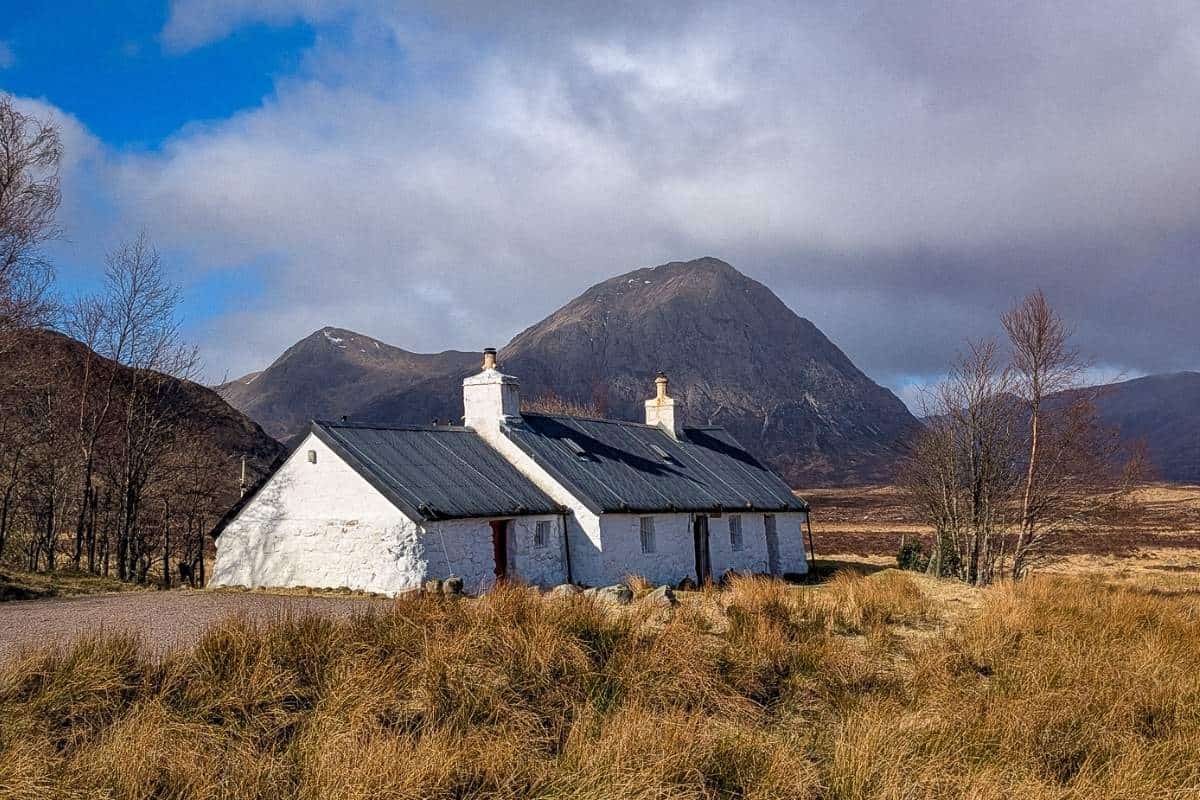
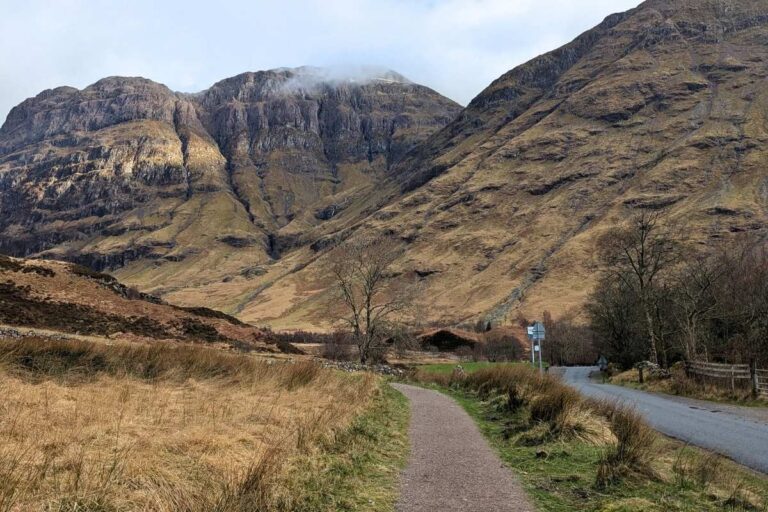
Southwest of Fort William is Glen Coe, one of the most scenic glens in Scotland and a place that appears on countless Scotland bucket lists. Every time I visit, I’m always blown away by the sheer drama of the scenery.
Since the Highlands cover such a huge area, I generally recommend choosing one base at a time rather than trying to see everything in a single trip. Inverness works best for the east coast and Cairngorms, while Fort William is ideal for Glen Coe, Glenfinnan and the West Highlands.
My Highlands Travel guides:
- 10 Best Fort William Day Trips: Scenic Hikes, Castles and Trains
- 15 Best Things to Do Near Aviemore, Scotland
- How to Spend 3 Days in Inverness: Your Perfect Itinerary
- What to Do in Inverness Without a Car: 13 Fun Activities
- How to Spend 3 Days in Inverness: Your Perfect Itinerary
- 10 Easy Day Trips from Inverness Without a Car
- Best 10-day Scottish Highlands itinerary (No Car Needed!)
- How to Get Around the Scottish Highlands Without a Car
- Glamping in Glencoe: Staying in Scotland’s Most Majestic Glen
- Glencoe Without a Car: How to Visit & What to Do
Best bases in the region:
- Inverness – main city and transport hub in the Highlands
- Fort William – main town and transport hub in the West Highlands
- Aviemore – largest town on the edge of the Cairngorms
Isle of Skye & the Small Isles
The Isle of Skye is one of the most famous parts of Scotland, and for good reason. Located in the Inner Hebrides in the West Highlands, it has a fairytale landscape. You’ll find the Old Man of Storr, a needle-sharp rock pinnacle, and the Quiraing, an ancient landslide, both on the Trotternish Peninsula.
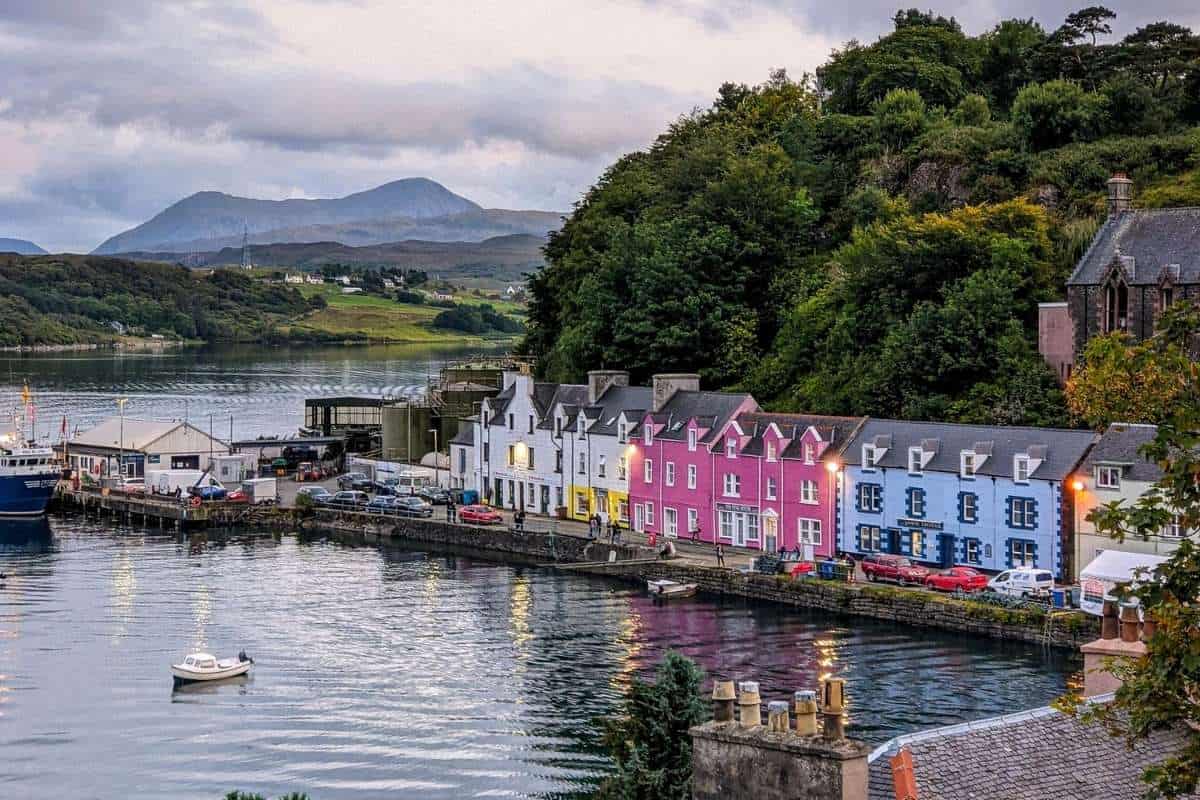
There’s the Fairy Glen, the Fairy Pools and Dunvegan Castle, known for its mystical Fairy Flag. The largest village is Portree, with its colourful harbourfront, while Carbost is home to the popular Talisker Distillery. To reach the island, you can drive across the Skye Bridge at Kyle of Lochalsh or take a ferry from Mallaig to Armadale.
Skye is easiest explored by car, but you can still see parts of it by public transport, as buses connect Uig and Armadale to Portree. The best alternative is booking a small-group tour such as Tour Skye.
You can’t forget about the Small Isles! Canna, Eigg, Muck and Rum lie to the southwest of Skye and offer a much quieter and more laid-back island escape.
Best bases in the region:
- Portree – largest village on Skye with the most accommodation, restaurants and public transport links
Moray Speyside
I’ve carved out Moray Speyside from the Scottish Highlands, as it’s a distinct area in its own right worth knowing. It spans the coast from Findhorn to Cullen, then inland down to the Cairngorms National Park.
This area encompasses Speyside, one of the top whisky regions in Scotland. It produces more than 60% of Scotland’s single malt whisky. There are more than 50 distilleries here, scattered around the River Spey, including Glenlivet, Glenfiddich and Shivas.
If you love whisky, the Speyside Whisky Trail is a must. It features some of Scotland’s best malt whisky distilleries on a 39-mile trail.
Even if you’re not a whisky drinker, I think Moray Speyside is worth visiting for its coastline alone. The Moray Coast has vast sandy beaches, including Findhorn Beach with its row of colourful beach huts. It sweeps around the bay to Burghead, which was once a stronghold for the ancient Picts.
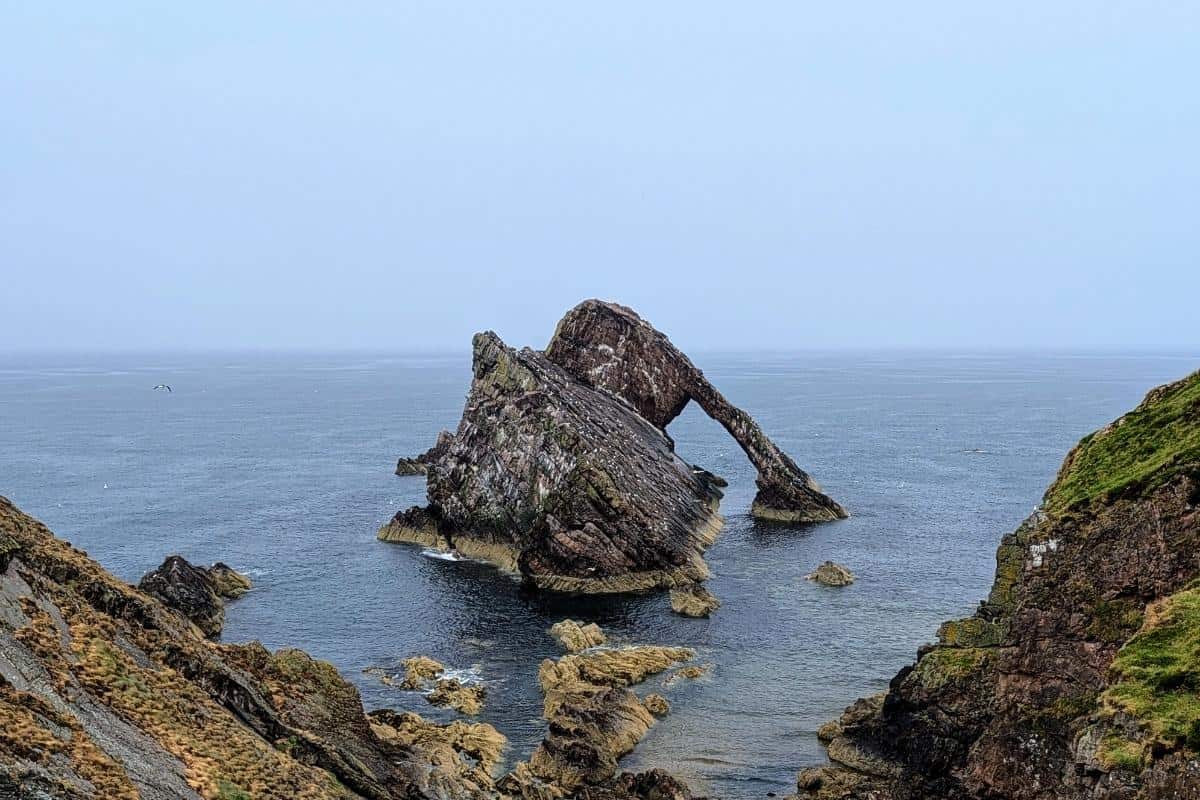
On the other side, Cullen is famous for inventing Cullen Skink, a hearty fish soup that’s like a hug in a bowl, while Bow Fiddle Rock is a haven for seals and seabirds.
Northern Highlands
The North Highlands is the most remote and northerly part of the mainland, stretching up above Inverness. It’s also one of the most sparsely populated, as a result of the Highland Clearances during the 18th and 19th centuries.
It has a diverse landscape, with farmlands and golf courses to the east, vast peatlands in its centre and breathtaking rugged mountains to the west. Its coastal road is the route of the iconic North Coast 500 road trip, starting and ending in Inverness.
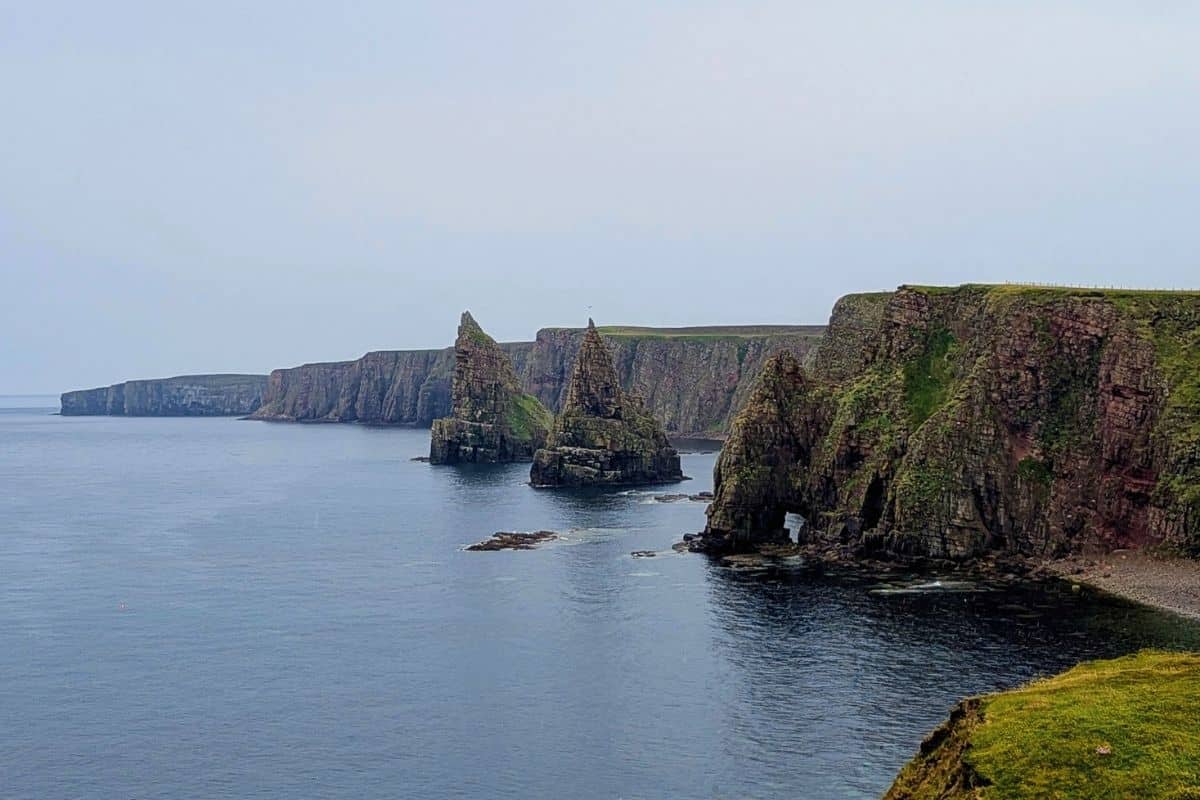
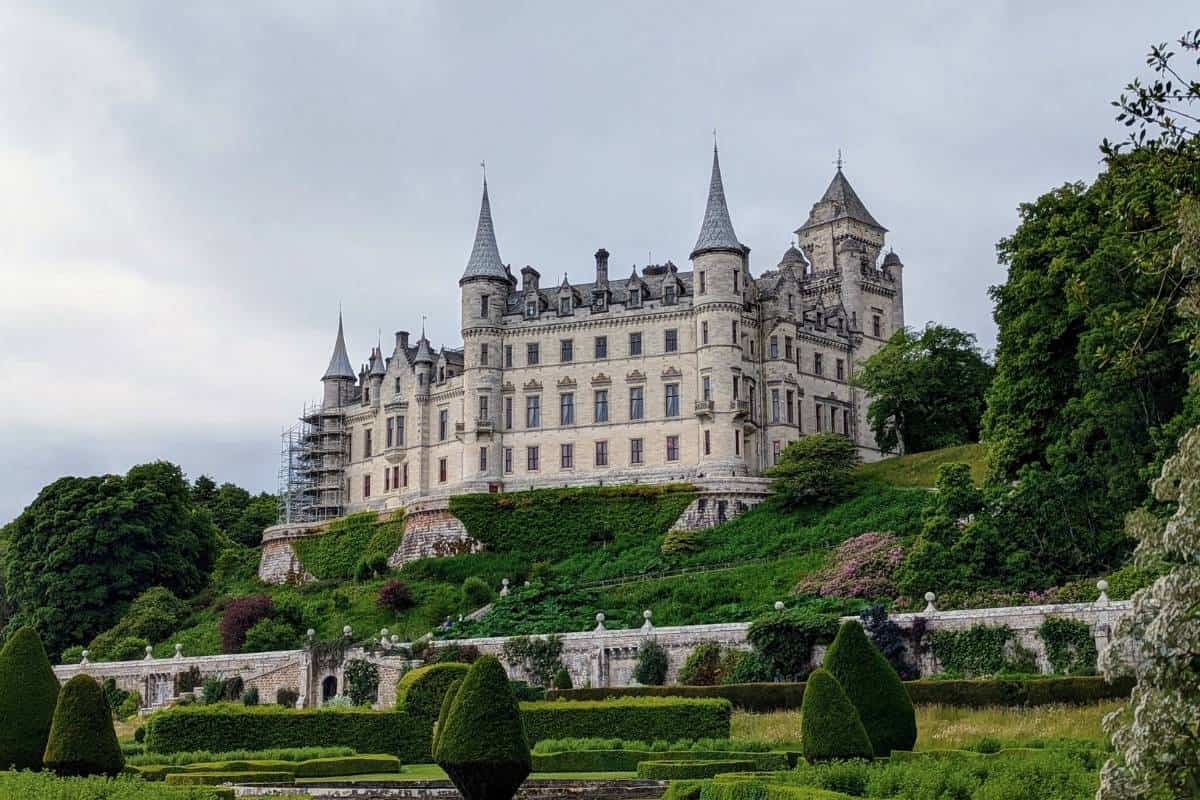
On the east coast is Dunrobin Castle, which was built in a similar style to a French chateau. You can take the train all the way up from Inverness to Thurso on the Caithness coast and catch a ferry to Orkney, or you could head to John O’Groats and see the dramatic Duncansby Sea Stacks at the most northeastern corner of mainland Scotland.
Set between Sutherland and Caithness is the UNESCO-inscribed Flow Country, the world’s largest intact blanket bog system. You can drive through it from Lairg to Tongue or take the Far North train line to Forsinard.
The northwest coast is remote and rugged, dotted with tiny villages. Popular places to visit here include Gairloch, Applecross, Plockton and Ullapool, with its ferry to the Isle of Lewis.
Of all the regions in Scotland, this is probably the most difficult to explore without a car. While trains reach Thurso and buses connect some communities, many of the most spectacular places are far from public transport routes. You’d need to drive if you’d like to do the NC500, or you could do a small group tour.
The Northern Isles
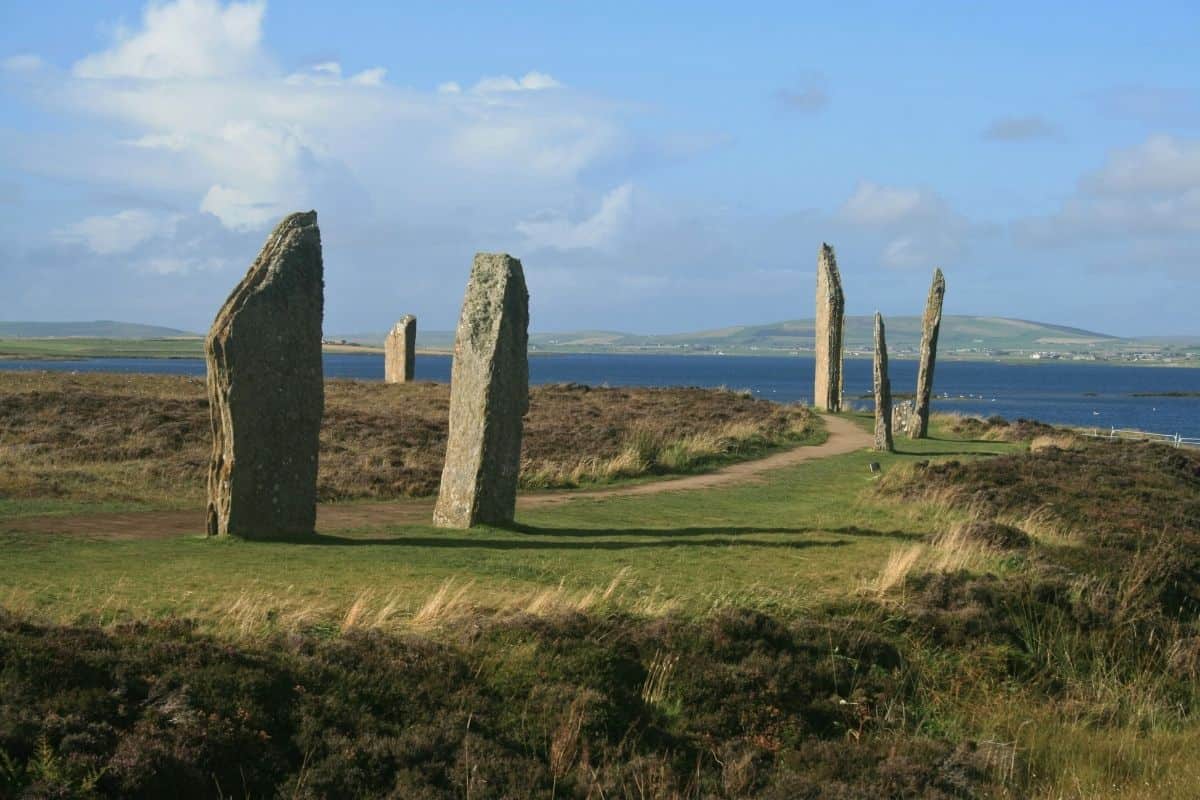
The Northern Isles include Orkney and Shetland. These two archipelago groups are Scotland’s most northerly islands. In Orkney, you can explore the 5,000-year-old Neolithic monuments, including Skara Brae, the Stones of Stenness, the Ring of Brodgar and Maeshowe. They can all be found on the main island.
In both Orkney and Shetland, you can follow in the footsteps of the Vikings. At Jarlshof in Shetland, you’ll find a replica of a Viking longship and learn more about Viking life at Shetland Museum & Archives in Lerwick.
Every year on the last Tuesday of January, the people of Lerwick get in the Viking spirit with a torchlit procession that ends with burning a life-sized replica of a Viking longship. It’s well worth timing your visit for that!
Both Orkney and Shetland have wild, windswept landscapes with towering, rugged cliffs home to seabirds, remote beaches and pristine blue-green water. You can truly get away from it all here. NorthLink Ferries depart from Scrabster and Aberdeen on the mainland, sailing to Kirkwall in Orkney and Lerwick in Shetland.
Outer Hebrides
The Outer Hebrides form a chain of 200 islands off the west coast of Scotland. Just northwest of the Isle of Skye, the largest is Lewis and Harris, followed by North and South Uist, Benbecula and Barra. St. Kilda is the furthest away, located 41 miles west of Benbecula.
The Outer Hebrides are famous for having some of the world’s best beaches. Think pale golden sand lapped by dazzling blue water. Luskentyre on Harris is one of my favourites. On a clear day, the water can be such an intense turquoise that it hardly looks real.
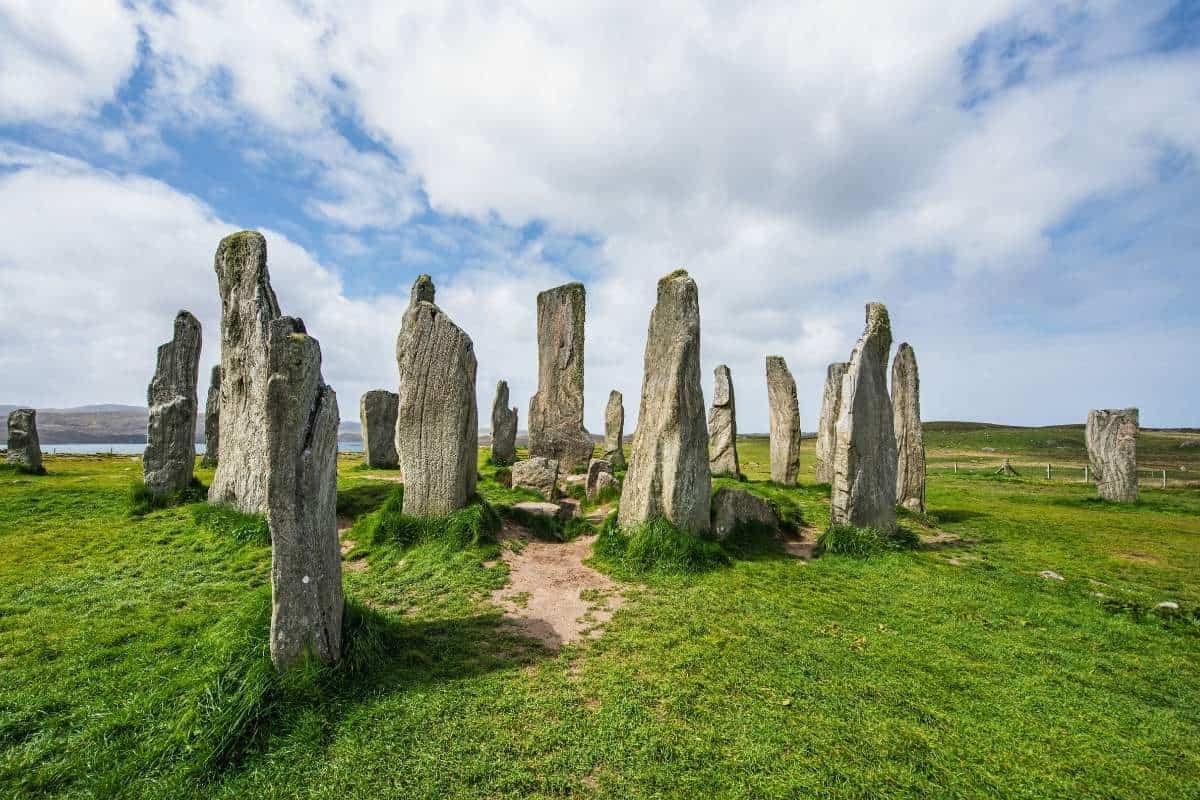
You can also explore Neolithic history at the Calanais Standing Stones and see how Hebridean families used to live at Gearrannan Blackhouse Village.
Other brilliant things to do include walking sections of the Hebridean Way, where you can spend hours crossing empty beaches and windswept moorland with barely another person in sight. Or you could do a wildlife boat trip on the edge of the Atlantic Ocean, with the chance of seeing rare orcas or the seabirds of St. Kilda.
To get there, CalMac operates ferries from Oban, Mallaig, Uig and Ullapool, or you can fly to Stornoway or Benbecula from Inverness. For something more unique, take a seaplane to Barra and land on the beach.
Best bases in the Outer Hebrides:
- Stornoway (Isle of Lewis) – largest town in the Outer Hebrides, with ferry connections
Perthshire
Perthshire is nestled in central Scotland, just north of Fife and Loch Lomond. If you love woodland walks and waterfalls tumbling through forests, this region is for you. It’s known as ‘Big Tree Country’ and is home to some of the tallest trees in Britain.
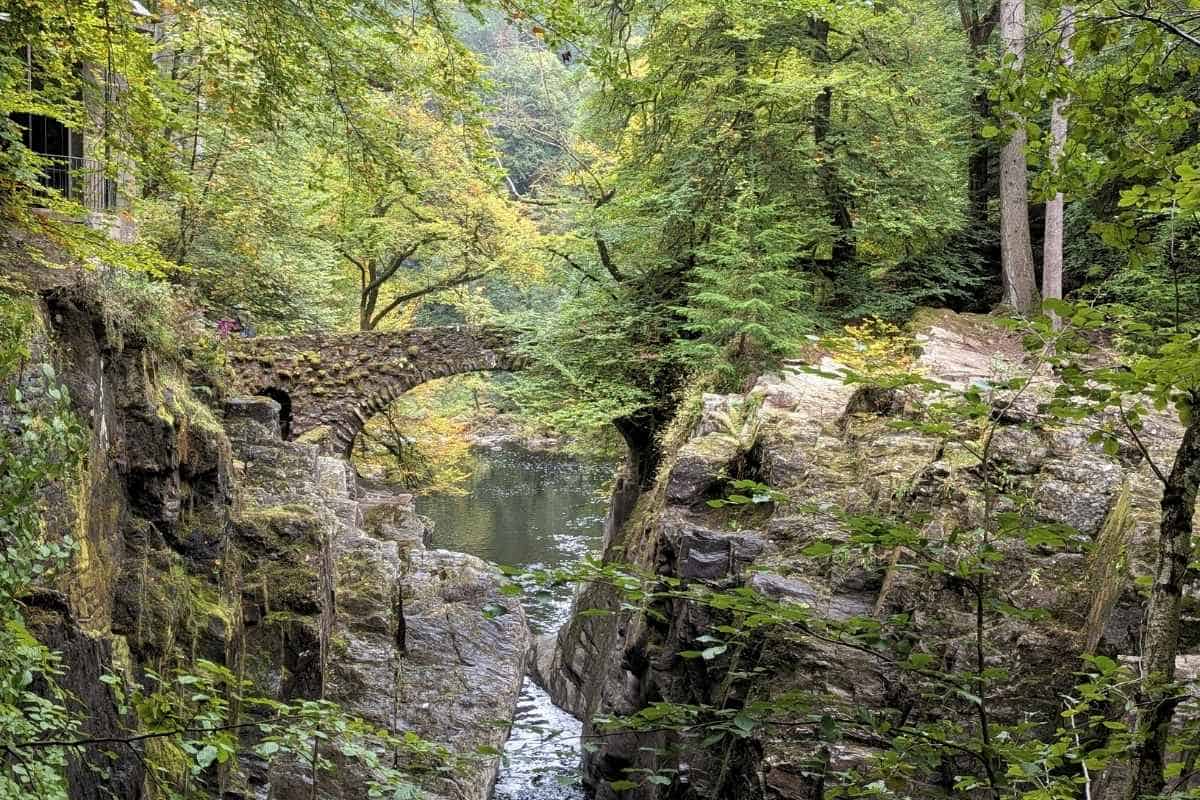
Much of the region is dominated by Tay Forest Park, a network of woodlands from Dunkeld to Pitlochry. You can visit the Hermitage, an 18th-century forest pleasure ground created by the Duke of Atholl and walk among towering Douglas Fir trees. It’s sublime in autumn when the leaves have turned.
Other top places to visit in Perthshire include Scone Palace, the Scottish Crannog Centre, Blair Castle, Killiecrankie, the Queen’s View and Schiehallion. The best bases are Perth, Pitlochry, Aberfeldy and Dunkeld as they’re all accessible by public transport.
My Perthshire travel guides:
The Scottish Borders
The Scottish Borders region sits to the east of Dumfries and Galloway and shares a border with Northern England. It features market towns, ancient ruins and castles tucked between rolling farmlands and huge hills. On the coast, you’ll find scenic fishing villages like St Abbs and Eyemouth.

Some of the most important landmarks in the region include the four ruined Borders Abbeys. These are Melrose, Kelso, Jedburgh and Dryburgh. Near Melrose, the Eildon Hills dominate the landscape, and they once held the largest Iron Age fort in Southern Scotland.
You can also learn about the Roman occupation at the Trimontium Museum and see the Great Tapestry of Scotland in Galashiels. For high-quality cashmere and tweed at outlet prices, head to Hawick, where you’ll find the textile mills for Lovat Mill, Hawico and Johnstons of Elgin.
The Borders Railway from Edinburgh ends at Tweedbank, and buses can connect you to Melrose, Peebles and Galashiels, making it an easy day trip from the city.
My Scottish Borders guides:
Stirlingshire, Loch Lomond & Trossachs
Sandwiched between Argyll and Perthshire, Stirlingshire, Loch Lomond & Trossachs is a diverse region spanning rolling hills in the south and the rugged peaks of the Arrochar Alps in the north.
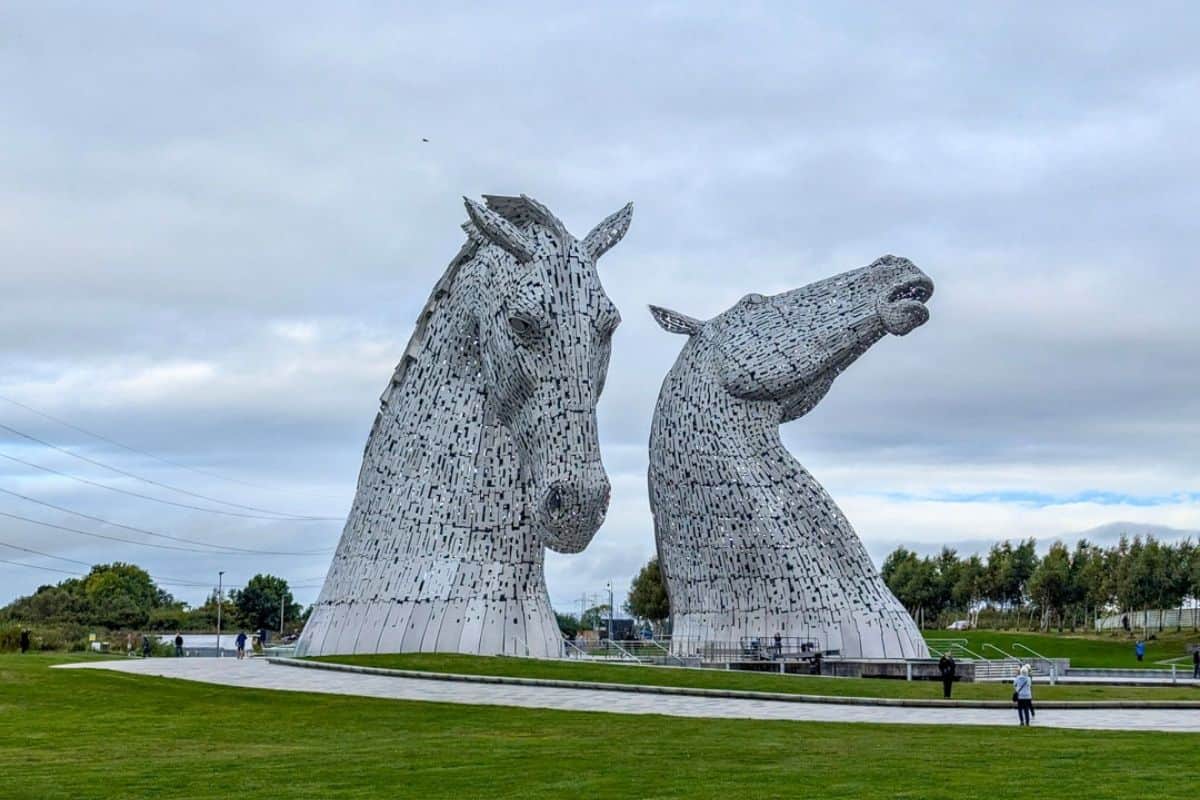
In Stirlingshire, you’ll find Falkirk, home to the iconic Falkirk Wheel and the Kelpies. These are two 30m horse head statues set on an extension linking the Forth & Clyde Canal to the North Sea. There’s also the historic city of Stirling with its cobblestoned Old Town and castle similar to Edinburgh.
Heading north, you’ll come to the wild landscape of the Trossachs and Queen Elizabeth Forest Park. It’s dotted with lochs, including Loch Lomond, ‘the Great Ribbon Lake.’
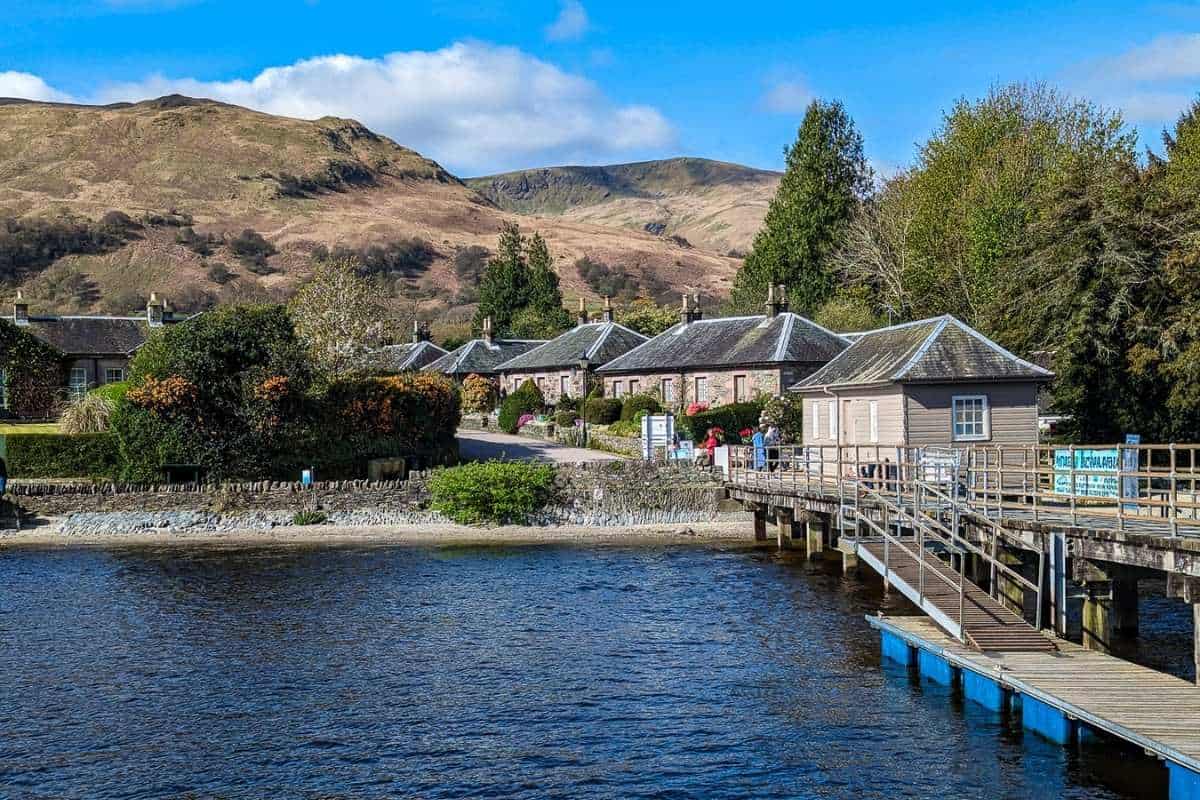
You can visit the picturesque village of Luss, climb the famous Conic Hill from Balmaha or bag a Munro in the Arrochar Alps. The largest is Ben Lomond.
Best bases in the region:
- Stirling – compact city with a historic Old Town and castle. Smaller alternative to Edinburgh
Regions in Scotland FAQs
How many regions are there in Scotland?
The answer (unhelpfully) is that it depends on who you ask. There are 32 council areas in Scotland. VisitScotland combines them into 15 main regions for tourism, while other travel guides mention 16-18 regions.
I’ve decided to break them up into 17 regions by combining Orkney and Shetland into the Northern Isles and splitting up the Highlands into key areas visitors tend to travel to. This should help you get a sense of each area’s characteristics, things to do and bases.
Which regions should I visit?
For classic Scottish scenery, visit Argyll, the Highlands and Skye. For castles galore, explore Aberdeenshire; for forests and waterfalls, visit Perthshire; and for iconic road trips, visit the Northern Highlands.
If you’re looking for hidden gems and lesser-visited places, the Scottish Borders and Dumfries and Galloway tend to be much quieter, and if you want a remote island escape, you can’t go wrong with the Northern Isles or the Outer Hebrides.
Which Scottish region is best to visit without a car?
If you’re relying on public transport, I’d start with Argyll, the West Highlands, Edinburgh and the Lothians, Fife or Perthshire. These are the regions in Scotland I’ve personally found easiest to explore car-free.
All have excellent train, ferry or bus connections and plenty of outdoor adventures that don’t require driving. Oban, Fort William, Pitlochry and Edinburgh are some of my favourite bases for exploring Scotland without a car.
Which region has the best scenery?
Every Scottish region has its own unique beauty, but if I had to choose, I’d say the most breathtaking scenery is located in Argyll, the West Highlands and Skye.
You have iconic landmarks like Eilean Donan Castle, the Storr, Fairy Pools, Glen Coe, Glenfinnan and Fingal’s Cave that all feature highly on a Scotland bucket list.
How do I add regions to my Scotland itinerary?
A lot of visitors try to rush through Scotland, but to get the most out of your trip, I recommend starting with one region at a time. Pick one or two bases per region and spend about two to three nights in each so you can explore the surrounding area on day trips. This will give you more time to relax and build in some flexibility on your trip rather than rushing from place to place.
Ideally, you want to pick regions that are close together to save all your time from being eaten up by travelling from one end of the country to the other. Read my step-by-step guide to planning an itinerary to work out the best areas to stay in Scotland for your trip.
Final thoughts
I hope you found this guide to Scotland’s regions useful. As you can see, each one has its own unique character.
If you’re looking for jaw-dropping scenery, explore the regions along the west coast; for classic Scotland, you can’t go wrong with the Highlands; and for hidden gems off the beaten track, I recommend Dumfries and Galloway or the Scottish Borders.
Many of these regions in Scotland are surprisingly accessible without a car, which is one of the reasons I love travelling around by train, ferry and bus. Check out my guide to the places to go in Scotland without a car.