
14 Best International Cocktail Recipes With Sustainable Spirits
This post may contain affiliate / compensated links. As an Amazon Associate, I also earn from qualifying purchases at no extra cost to you. For full information, please see my disclaimer here. Thank you!
Get your shakers at the ready and let’s dive into the top 14 international cocktail recipes you can make at home.
Booze, in its many forms, is enjoyed the world over. For many countries, alcoholic beverages have distinctive cultural significance and traditions that have been passed down through generations.

Pin me for later!
Luckily, you don’t need to go far to explore the global alcohol scene. In fact, it’s one of the easiest ways to travel (and most budget-friendly too!).
Rifle through your drinks cabinet at home (or pop to the supermarket) and you can recreate some of the top cocktails from around the world. From winter warmers to fruity punches, here are the top 14 international cocktail recipes and a choice of sustainable spirits to enjoy.
By the way, all the cocktail recipe cards below can be downloaded and saved. Cheers!
1. Singapore Sling

Origins: Singapore
History: The distinctive pink Singapore Sling was invented by Ngiam Tong Boon at Raffles Hotel in 1915. This punch became a popular tipple for society ladies drinking in public. It has since become a firm favourite around the world!
Alcohol base: Gin! Use Elephant Gin to make your cocktail more sustainable. For every bottle of gin sold the company donates 15% of profits to African elephant conservation.
Best served: In a classic highball glass
Recipe
Serves 1

2. Bellini
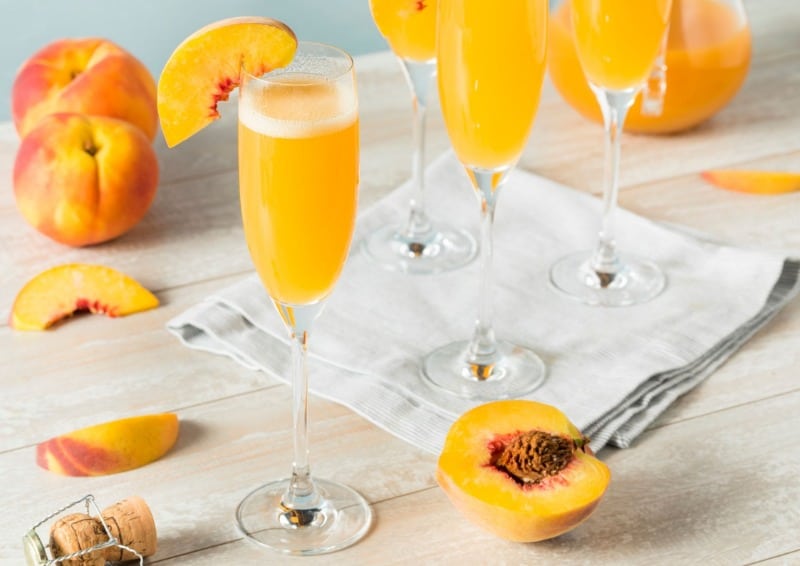
Origins: Venice, Italy
History: Light and fruity, the classic bellini is a fun cocktail that hails from Harry’s Bar in Venice. It was invented sometime between 1934 and 1948 by Guiseppe Cipriani who named it ‘Bellini’ after the colour reminded him of a painting by the 15th-century Venetian artist, Giovanni Bellini.
Alcohol base: Prosecco! Help fight plastic pollution with an ethically-sourced and eco-friendly bottle of prosecco from Sea Change Wines. This award-winning wine producer uses paper labels from sustainable forests and grape waste. It also supports ocean conservation initiatives across the globe! The cutest label too.
Best served: In your most elegant champagne flute
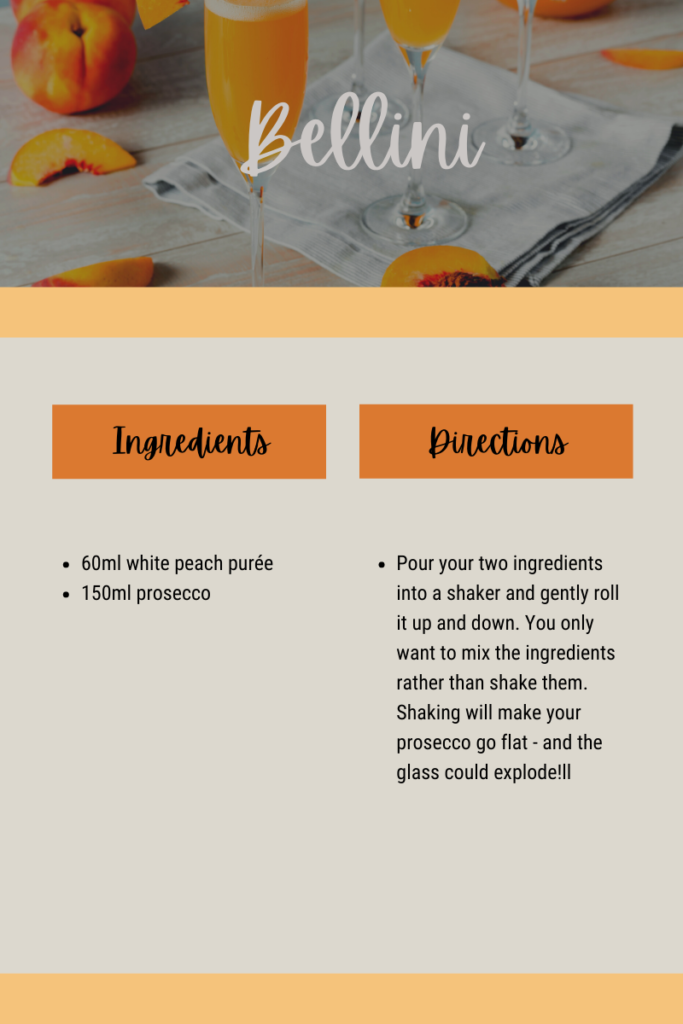
Recipe
Serves 1
Read More: 11 Easy International Recipes to Try at Home
3. Hot Toddy
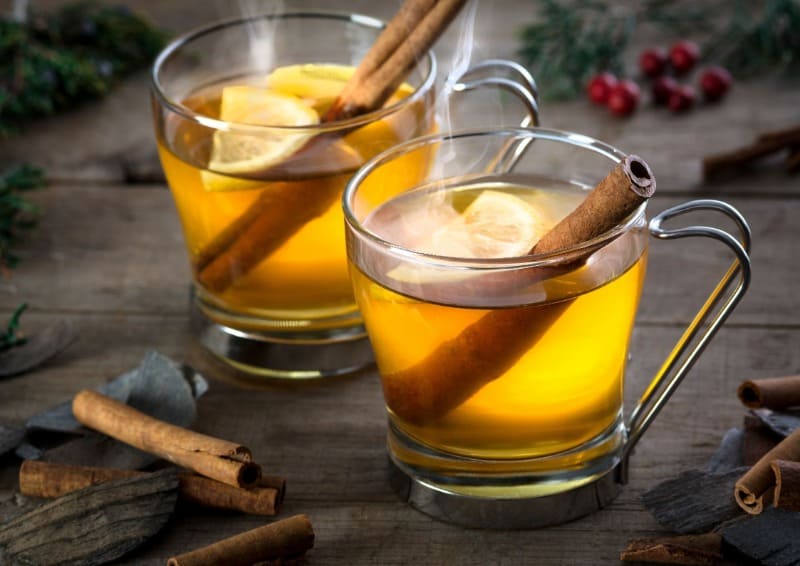
Origins: India
History: The hot toddy as we know it today originated in British-controlled India. In 1786, ‘toddy,’ from the Hindi word ‘taddy’ was defined as a hot beverage made with alcohol, sugar and spices. The British, being British, nabbed this concept and made it their own. It became an antidote for bitterly cold and damp winters in the UK. Doctors even incorporated it into their prescriptions!
Alcohol base: Whisky! I recommend Adnams. This small, Suffolk-based brewery and distillery operate entirely on renewable energy. Better still, it sends zero waste to landfill and even halved its water usage through rainwater and recycling.
Best served: In mugs or sturdy heatproof glasses
Recipe
Serves 1

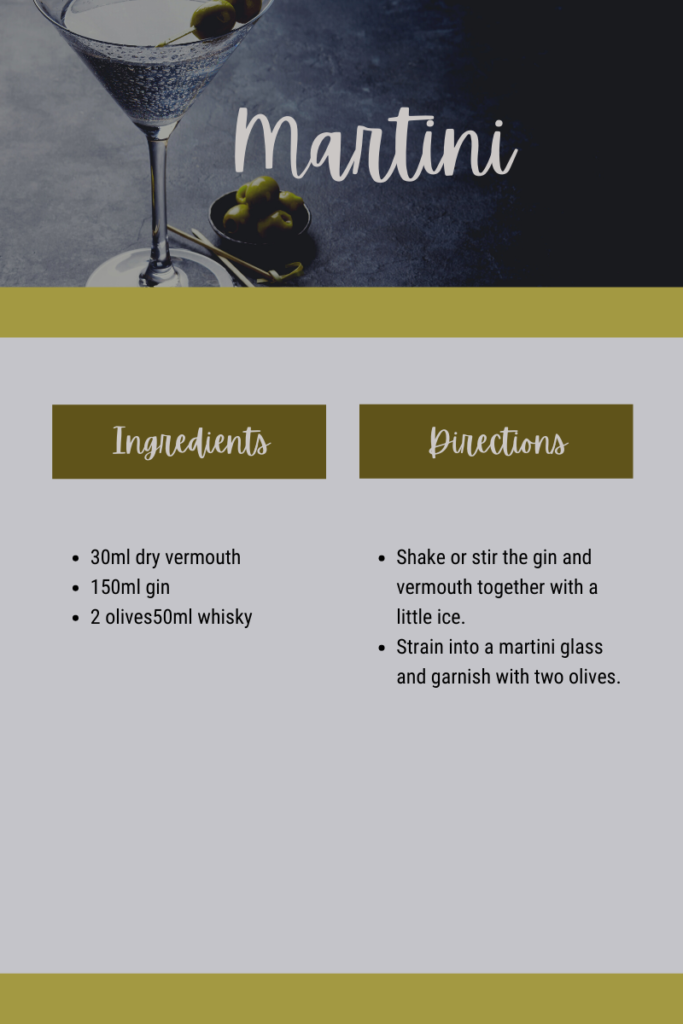
4. Martini
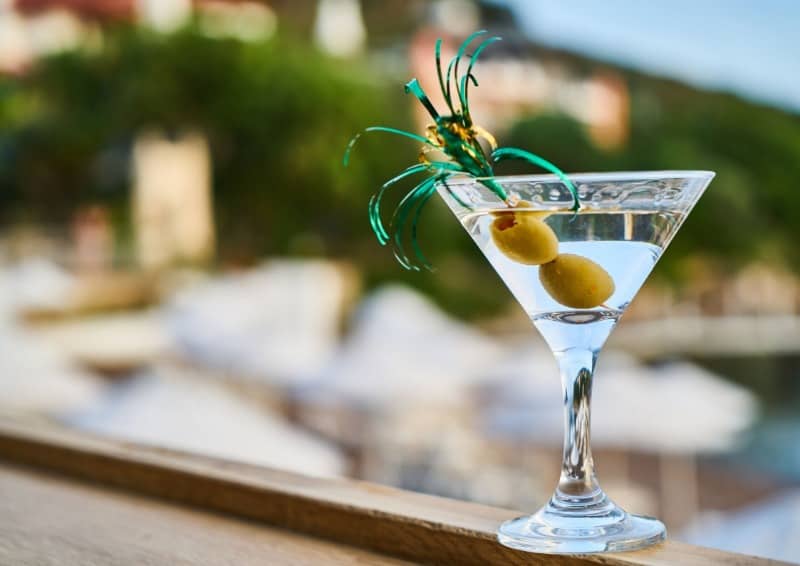
Origins: USA
History: The exact birthplace of the martini is heavily disputed. Some will tell you that the cocktail first came to be in a town called Martinez in California during the 1880s Gold Rush. Others will say that the drink was invented in a bar in San Francisco. There’s even a school of thought that reckons that it originated in New York’s Knickerbocker Hotel. Who knows! It looks like a miner was involved at some point in the process though and it’s since become a top international cocktail.
Alcohol base: Gin! For something extra special, spruce up your cocktail with Canaïma Gin which comes all the way from South America. This small-batch gin has been made with botanicals that have been sustainably sourced by local communities in the Amazon. To top it off, 10% of profits are donated to NGOs that work to protect the Amazon and its people.
Best served: In a martini glass á la James Bond
Recipe
Serves 1
Read More: What Is Ecotourism and Why Is It Important?
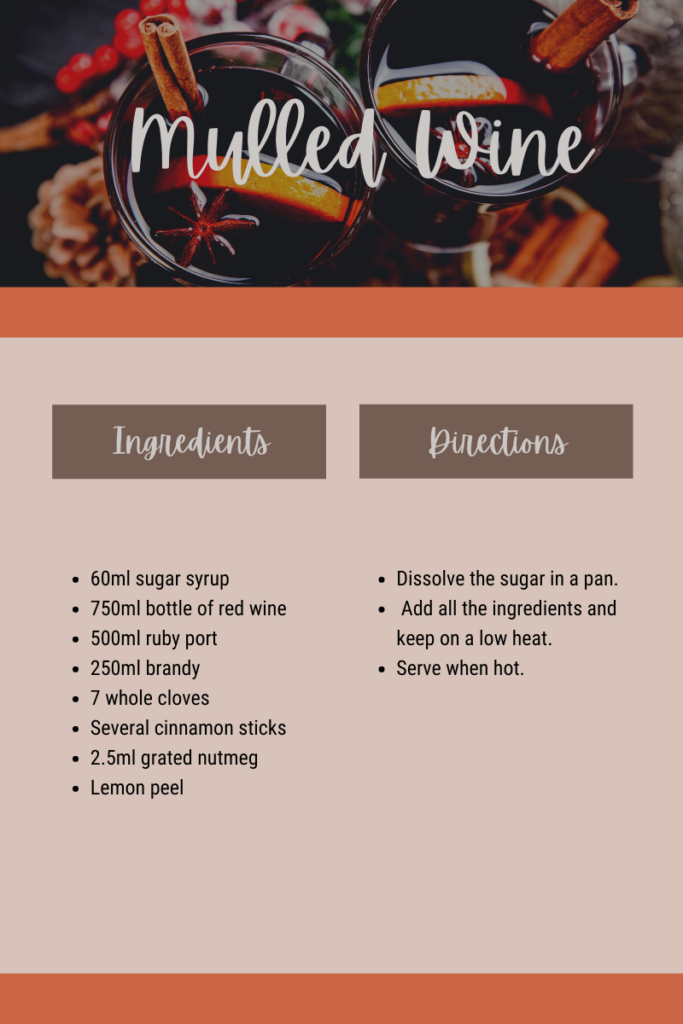
5. Mulled Wine

Origins: Greece
History: Way back when the Ancient Greeks weren’t ones to waste booze. After a harvest, any wine that didn’t quite pass the taste test was heated up with spices to make it palatable. The Romans followed suit, and so did Europe in the Middle Ages. The perception of mulled wine as a festive drink came about in Victorian England. You can blame or thank Charles Dickens and his ‘Smoking Bishop’ for that.
Alcohol base: Red wine! Since it’s going to be heated and spiced, you want a bottle of red with a modest price tag. Luckily, Bodegas Castaño Parcelas Ecológico Monastrell is here to save the day. In a nutshell, this Spanish red is made from organic Monastrell grapes. In fact, Spain has the largest area of organic vineyards in the EU! £7.95 from the Wine Society? Not bad.
Best served: In heatproof glasses or your favourite mug
Recipe
Serves 10
Read More: Traditional Cypriot Food and Drink You Need to Try
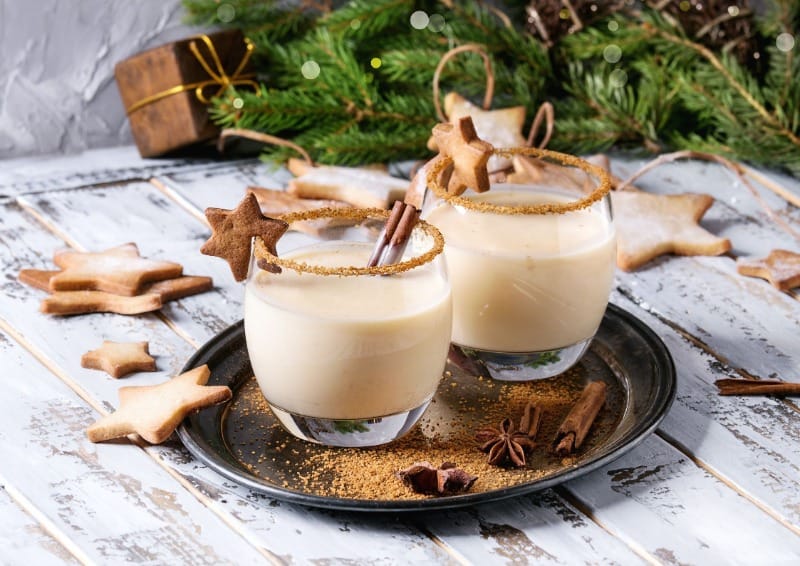
6. Eggnog
Origins: Britain
History: Eggnog comes from Britain as plenty of eggy, creamy things do. It’s thought that as early as the 13th century, monks would drink posset, a warm ale punch with figs and eggs. By the 17th century, sherry was added to the mix and the concoction was drunk at social gatherings to toast good health. Only the well-to-do of society would drink it as milk, eggs and sherry were expensive commodities.
Alcohol base: White rum and another spirit of your choice! Did you know that you could actually be saving turtles with your eggnog? Toti Rum from the Sustainable Spirit Company is named after the Creole word for ‘turtle’. The company donates 15% of rum profits to marine conservation charities that protect turtles and their habitats.
Best served: Ladled into tumblers
Recipe
Serves about 10-12

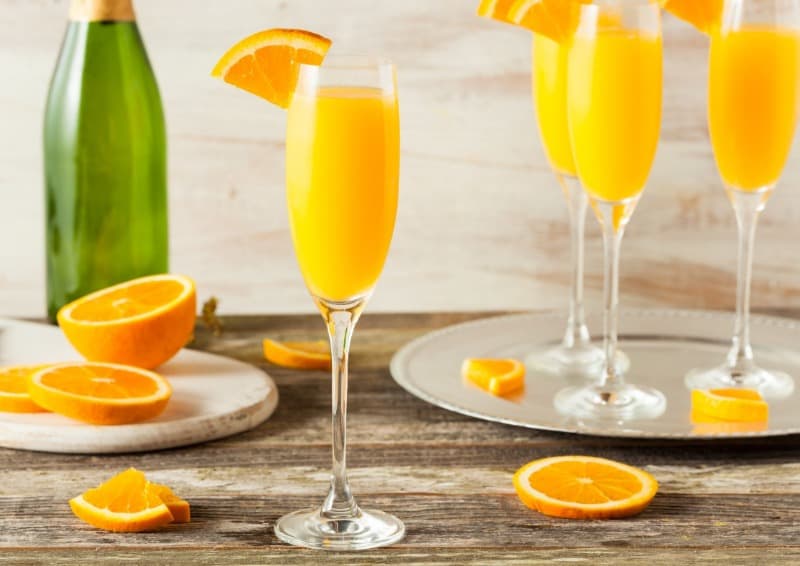
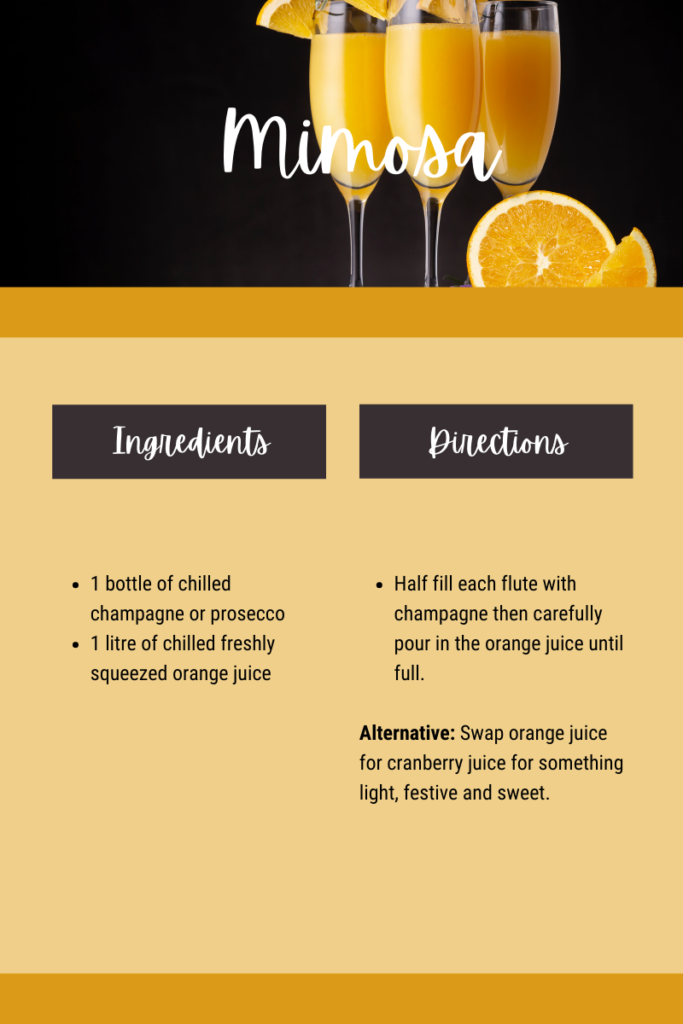
7. Mimosa
Origins: France… possibly
History: The exact origins of the mimosa is unknown. Could it be London? San Francisco? The Ritz Hotel in Paris? Mimosas are very similar to the British Buck’s Fizz. The only difference is that it has a lower alcohol content. Alfred Hitchcock is possibly responsible for popularising the cocktail as a brunch favourite in the 1940s.
Alcohol base: Prosecco! If you’re keen to try more sustainable proseccos, you’ll love Wild Thing Organic Prosecco by Vintage Roots. For every bottle sold, a percentage is donated to the Born Free Foundation that funds conservation efforts across the globe.
Best served: in fancy champagne flutes
Recipe
Serves 6
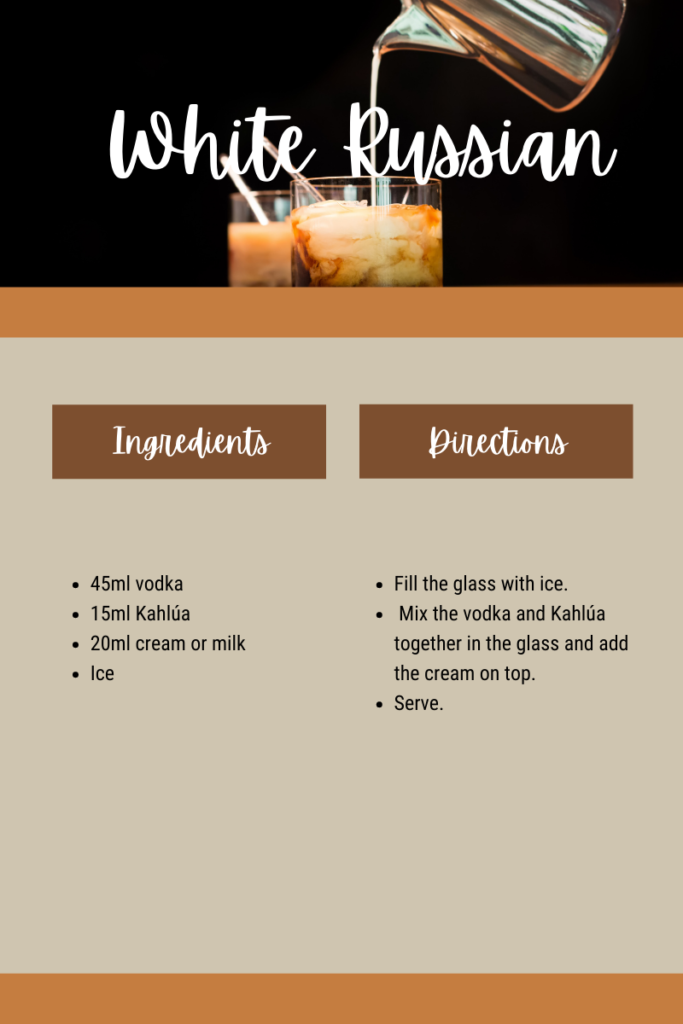
8. White Russian
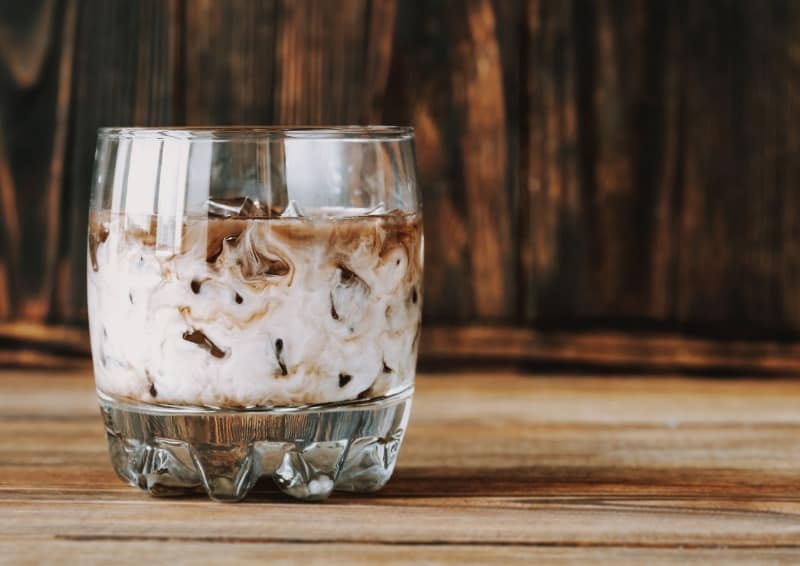
Origins: Brussels, Belgium
History: Yep, the White Russian is, in fact, from Brussels. The cocktail recipe was invented by Gustave Tops, a Belgian bartender, at the Hotel Metropole. He served it up in honour of Perle Mesta, the US ambassador to Luxembourg.
Alcohol base: Vodka! Ketel One Vodka is a great environmental tipple. The Netherlands-based distillery runs on energy from an on-site windmill and spare power is sold back to the grid. The staff also use electric bikes powered by solar panels!
Best served: In an elegant rocks glass
Recipe
Serves 1
9. Moscow Mule
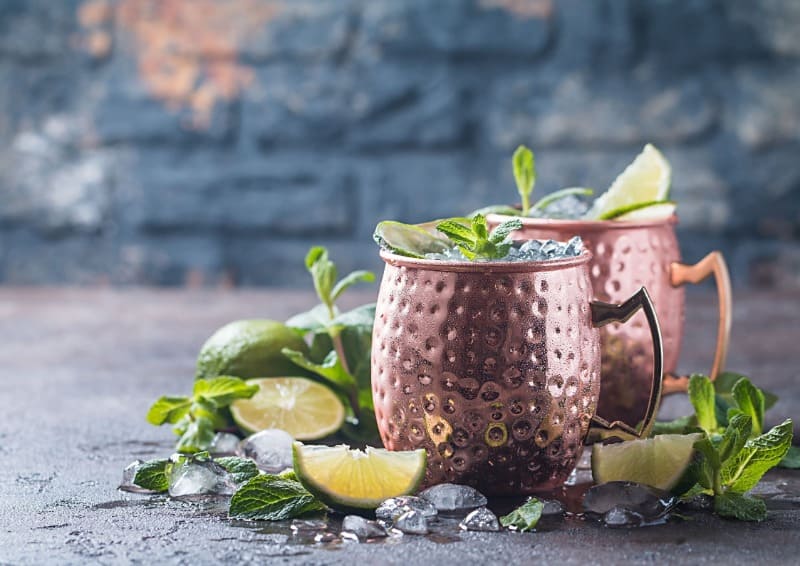
Origins: New York, USA
History: Russia? Nope, wrong again. This red herring was well and truly born in the USA. The cocktail made its debut around 1941 at the Cock ‘n’ Bull in Los Angeles. Who exactly came up with it remains unclear. The Moscow Mule was the result of too much ginger ale lying around and a hard time trying to convince Americans to drink Smirnoff. Vodka wasn’t very popular in the US back then.
Alcohol base: Vodka again! This time, why not try an eco-friendly vodka by Black Cow. Powered by a zero-waste ethos, Black Cow only makes vodka out one ingredient – spare whey leftover from cheese made from grass-fed cows. Whey would usually be discarded but Black Cow’s ingenuity has created a deliciously smooth and creamy concoction.
Best served: in a highball glass or the classic copper mule mugs
Recipe
Serves 1

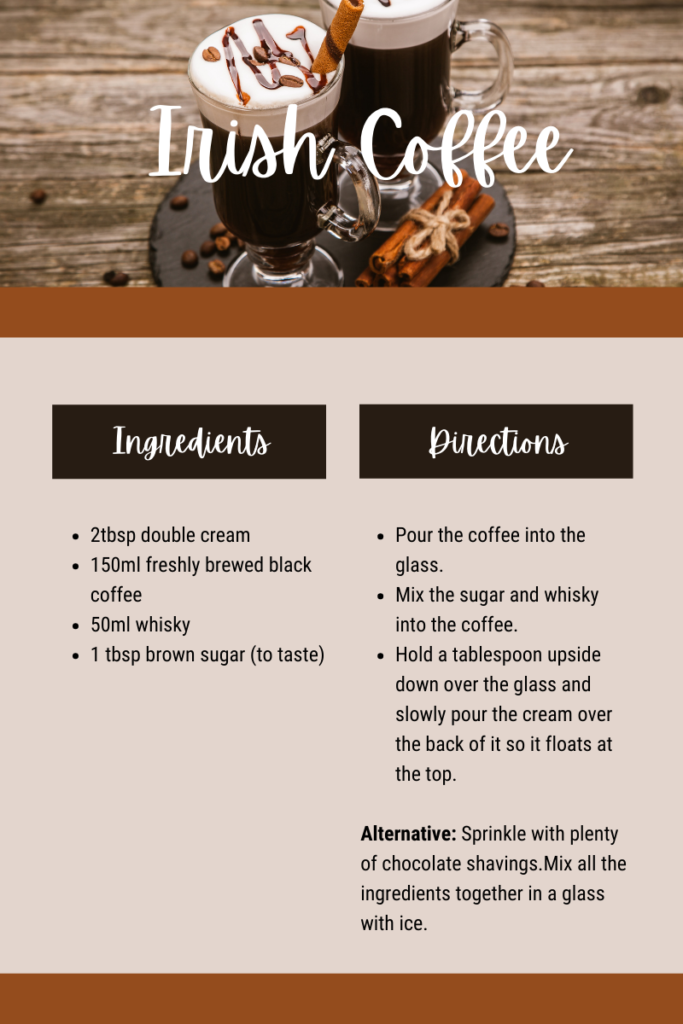
10. Irish Coffee
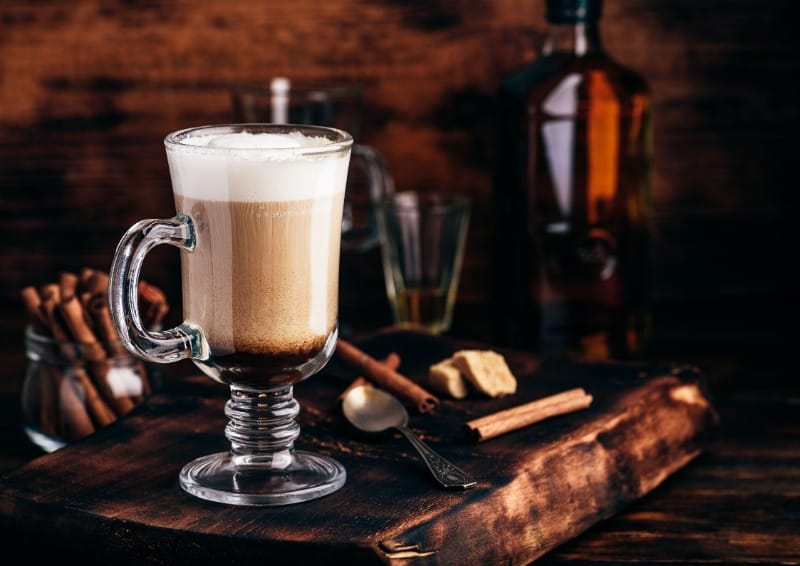
Origins: Russia. Just kidding, it comes from Ireland!
History: A true cup of Irish Coffee will warm you right down to your toes. So, who came up with this hearty concoction? Well the saying goes Irish Coffee came about in the winter of 1943 thanks to Joe Sheridan at Foynes Port near Limerick. Foynes was a transatlantic airbase and a stop for weary Hollywood personalities and political figures on their journeys and out of Europe. When a flight had to turn back to Foynes, Sheridan whipped up a round of Irish Coffees to cheer up the cold and tired passengers.
Alcohol base: Whiskey! For a little extravagance, try Nc’nean’s Single Malt Scotch. If anything, for the pretty label. Every bottle is certified organic, bottled in a 100% recyclable glass bottle and made in the company’s own 100% renewable energy distillery. A toe-curling £49.95 though.
Best served: heatproof glasses
Recipe
Serves 1
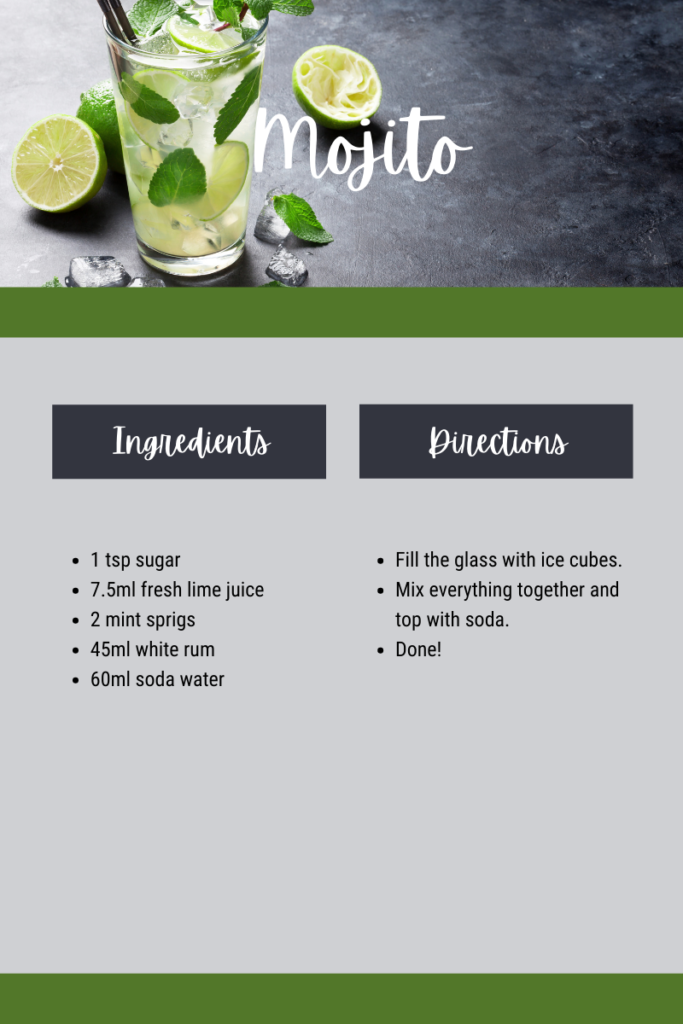
11. Mojito
Origins: Cuba
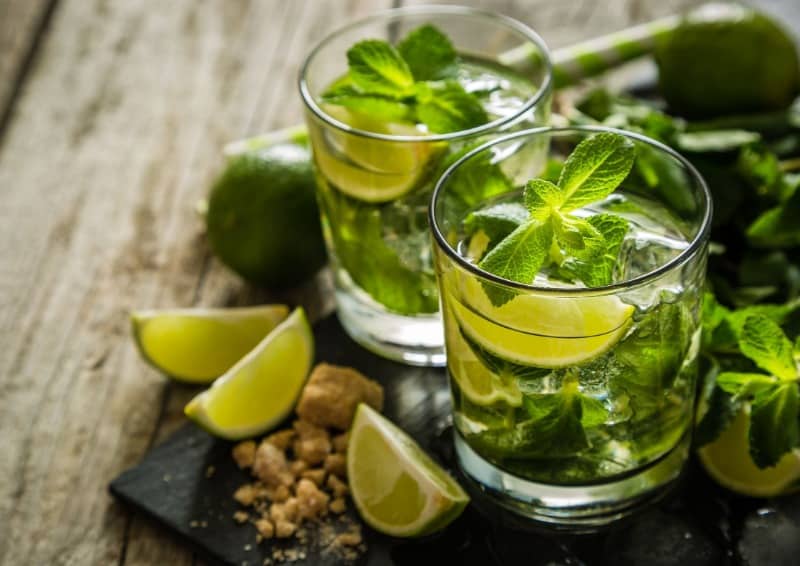
History: It’s believed that this classic Caribbean cocktail was first dished up for medicinal purposes. A moonshine type alcohol was used instead of rum until Sir Francis Drake arrived in the 16th century. He promptly swapped moonshine for white rum and the rest, as they say, is history.
Alcohol base: White rum! Devon-based distillery Two Drifters has claimed to be the world’s first carbon-negative distillery. It runs on 100% zero-emissions energy and even the company’s business cards are made from recycled t-shirts!
Best served: In a tall glass
Recipe
Serves 1
12. Caipirinha
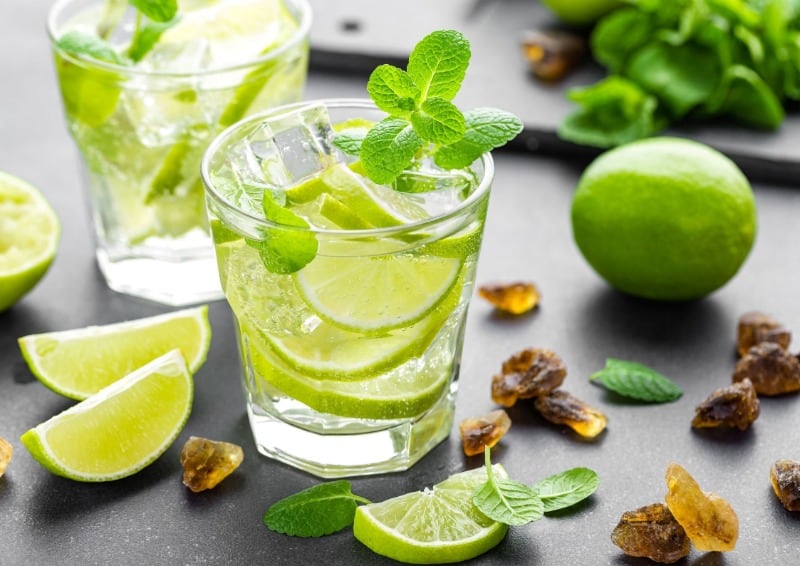
Origins: Brazil
History: According to historians, caipirinha was invented by land-owning sugar farmers near São Paulo in the 19th century. It became a typical drink for parties and events in the region.
Alcohol base: Cachaça! Get yourself an organic bottle from Abelha. This small-batch artisanal cachaça producer is a social enterprise run by organic sugar cane farmers in Brazil.
Best served: In a whisky tumbler
Recipe
Serves 1

13. Glogg

Origins: Sweden
History: Glogg is essentially a Scandinavian version of mulled wine. An excellent winter warmer, this hot spiced wine was drunk by messengers and travellers to help them survive the bitter elements. The perfect solution to cold fingers and toes.
Alcohol base: Red wine!
Best served: In mugs or heatproof glasses
Recipe
Serves 8-10

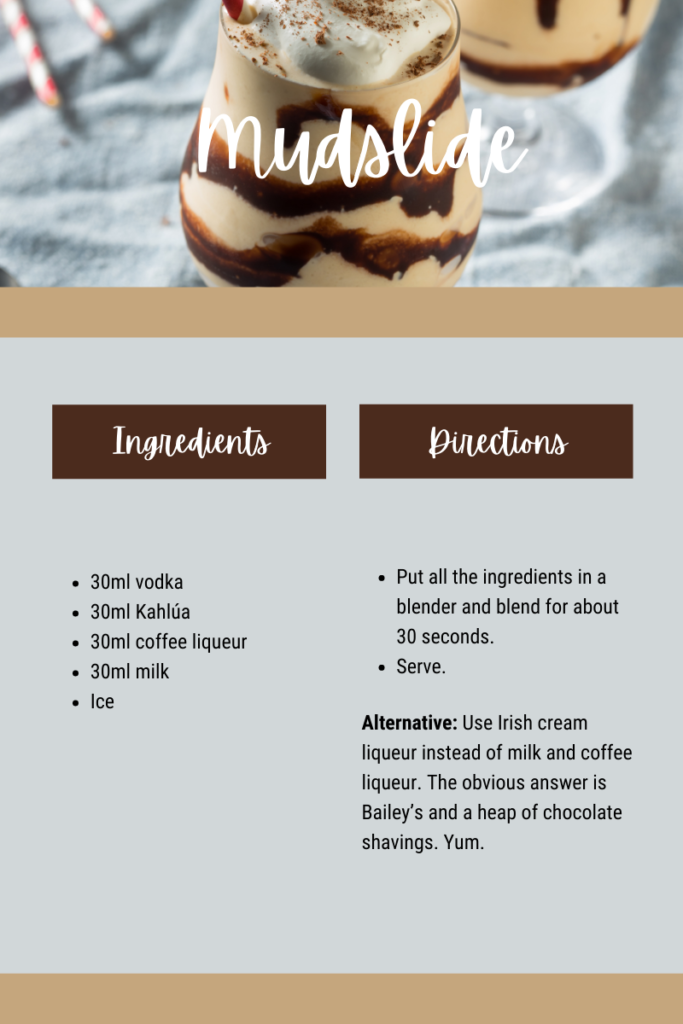
14. Mudslide

Origins: Grand Cayman Islands
History: The Mudslide comes all the way from Grand Cayman in the Caribbean. This boozy milkshake came about in the 1970s at Rum Point Club’s Wreck Bar all because the bartender had no fresh cream for a White Russian. Out came Bailey’s Irish Cream and the whole thing was tossed into the blender. The Mudslide was born.
Alcohol base: Vodka!
Best served: In an old-fashioned glass
Recipe
Serves 1
Final thoughts
I hope you enjoyed this fun selection of international cocktail recipes. Whether you’re getting ready for the festive season or enjoy something light and fruity, these cocktails can transport you to the other side of the world with a single sip.
As an added bonus, thinking about the environmental impact of the spirits you use can help your cocktail recipes give back in more ways than one.
Read Next
Drink Here: Europe’s Top 5 Most Sustainable Cocktail Bars

Inspired? Pin me for later!