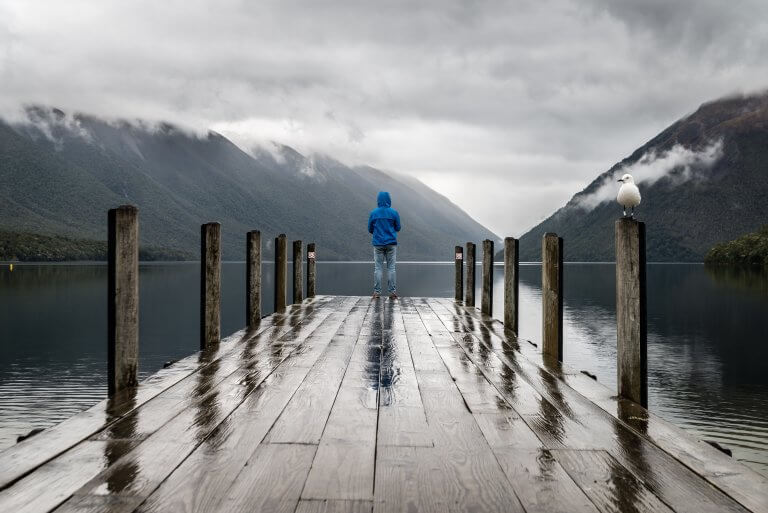
How To Travel Alone: Advice On Flying Solo In 2022
This post may contain affiliate / compensated links. As an Amazon Associate, I also earn from qualifying purchases at no extra cost to you. For full information, please see my disclaimer here. Thank you!
If you’ve been stuck in a bubble for the year so far and desperately want to get out and about when or before 2022 arrives, I’ve good news for you: it’s possible.
If you’ve been waiting for your friends or family members to get some free time and join you on an adventure, you should seriously consider embracing solo travel instead. There’s tremendous freedom in traveling alone: you can move at your ideal pace and go only where you want to.
It certainly helps that borders everywhere are opening up for tourists, giving you opportunities that just weren’t there a year ago.
With all that said, though, you need to be aware of the risks and downsides associated with solo travel. The world is wonderful, but it’s also scary. You shouldn’t shy away from it, but you should take broad precautions to protect yourself.
At the same time, you need to be aware of your responsibilities as a tourist. Being solitary leads some to fall into bad habits, and it’s highly damaging to act with disrespect when enjoying various destinations and cultures.
It all comes back to the golden rule. You should act in a way that you’d prefer others to act in similar situations (particularly when it comes to sustainability).
In this post, Stevie Nicks shares his tips and advice for flying solo in 2022.
If you can keep these tips in mind when you plan your itinerary and venture out into the world, you’ll have an easier trip, spend less time worrying about what could go wrong, and be a better tourist. Let’s get to them.
Research local standards and customs

When you spend time adventuring alone, you don’t have the option of letting a friend deal with people on your behalf.
Even if you’re the introverted type, you need to engage with people to get around — and to make that work, you also need to understand at least the basics of the places you’re visiting. How do the people in the area act? How do they want tourists to act?
There are some places in the world where it’s considered highly disrespectful to make a lot of noise, and others where the opposite is true. If you maintain a stony silence while eating ramen in a highly-recommended restaurant in Japan, for instance, you may seriously offend the owner.
It isn’t good enough to simply pick up regional knowledge as you go, as it isn’t fair to subject the locals to your confusion — particularly given the ease of online research.
It takes very little time or effort to look up some tips for a specific area before you go there, so do just that.
Look up guides for tourists and check forums — particularly relevant subreddits — to get a fresher feel of area standards (tourist guides can be somewhat generic and outdated).
Learn and practice some basic phrases

If you’re a native English speaker, that advantage can bring you a strong sense of security. After all, there are so many countries around the world where English is a familiar secondary language: it’s the language of commerce, so there’s a powerful incentive to learn it.
And some travelers decide to rely on it entirely overseas, always expecting locals to cater to them.
Is this practical? For the most part, yes. But is it ethical? Surely not. It’s also highly restrictive to stick to your native tongue because language is a part of culture. It reflects and shapes it.
Requiring everything to be translated will rob you of some wonderful experiences. So while it isn’t practical to learn a new language ahead of a trip, you can at least pick up the basics by learning and practicing some key phrases.
You should know how to ask for directions, how to thank someone, how to pay for something, and how to communicate who you are and why you’re visiting.
Since you can have all the phrases you want saved on your phone ahead of time, there’s no excuse not to be prepared. And don’t worry about stumbling over your words. It’s the effort that really matters.
Ensure that someone knows your location
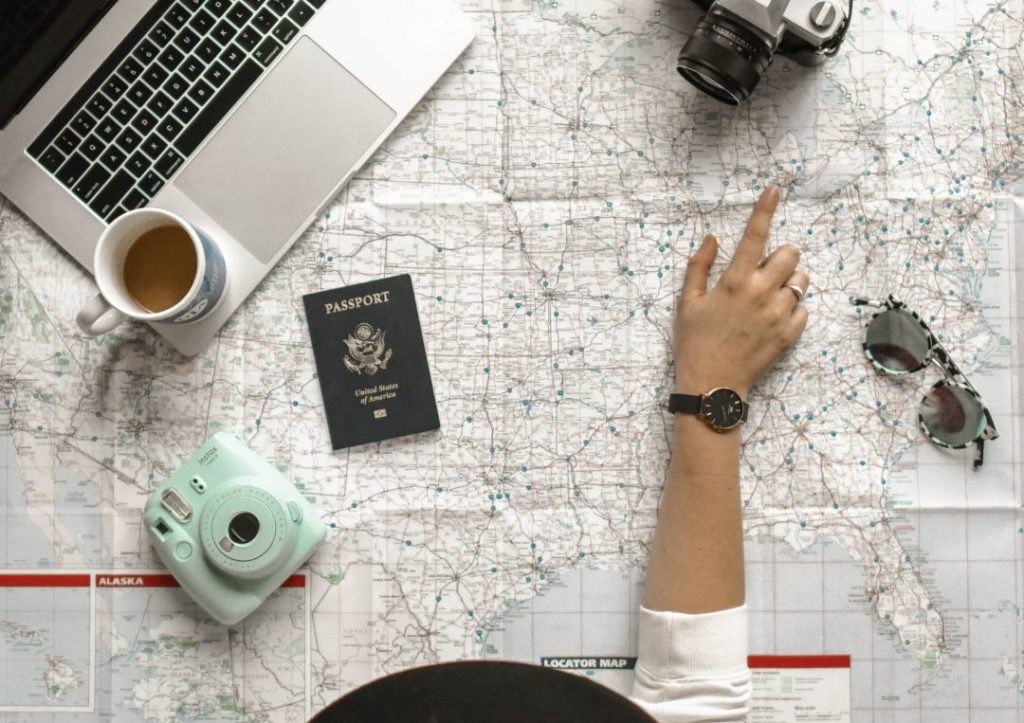
No matter how careful you are, there’s always a chance that something will go wrong. You could be attacked, whether by a local or by another tourist. You could fall ill. You could suffer an injury in the middle of the wilderness and be unsure how to proceed.
Due to this, you need to ensure that someone (a friend, family member, or partner, ideally) knows where you are.
You can do this through active location sharing (which is very helpful in emergencies), or you can simply update them regularly on roughly where you’re going.
That way, if you don’t check-in by a certain time after heading out for a hike in a treacherous area, they’ll know to contact local authorities and have them begin a search for you.
As you do this, though, you should be careful. Don’t share your location widely. This can make it easier for criminals to steal from you: if they discern that you’re leaving your hotel room for a day, for instance, they can aim to break in while you’re away.
Keep it to private accounts and private conversations, and try to be safe online in general (more on this next).
Take steps to protect your internet activity

Whether you’re researching phrases or updating a friend on your trip, you obviously need to stay online as much as possible.
Even if you like being in nature and staying away from technology, it’s too important a safety measure. Leave your smartphone in your bag, get rid of social media, and check it infrequently — but still have it with you and turned on.
In staying connected, though, you do run up against various cybersecurity threats.
Solo travelers often end up relying on free Wi-Fi connections to save money, but those connections are highly insecure and make it possible for others connected to them to monitor strangers’ online activity and exploit it for financial gain (whether by stealing financial account details or by storing personal information and using it for blackmail purposes).
The desire to save money is understandable, but the threat to security isn’t. It doesn’t cost anything for travelers to use public Wi-Fi safely: there are free VPNs (virtual private networks) they can use to keep their online browsing safe, albeit at reduced speeds.
Ideally, though, they should invest in portable hotspots they can take wherever they go. Having such a hotspot allows you to stop worrying about where you’ll find free Wi-Fi and connect securely from any location — and a good hotspot will last you many journeys, so consider your options carefully.
Reduce your overall environmental impact
When you use international transport, you contribute somewhat to environmental damage. There’s nothing you can do to avoid that entirely.
If you have the time to sail to your destination on an unpowered boat, fantastic, but that’s highly unlikely. But you can take action to mitigate the damage to which you contribute, and you certainly should.
Aim to reduce luxuries. Instead of opting for business class, fly in economy class. Instead of saving money at large chains known for exploiting supply chains, spend more to support local businesses that act ethically and sustainably.
Instead of relying on the convenience of single-use plastics wherever you go, keep refilling your water bottles and avoiding packaging.
In addition to that, you should think carefully about how you represent your journey and the places you visit, particularly if you have a large online following (and you just can’t stay away from social media).
You may want to talk glowingly about the places you’re seeing, but consider how that might impact them. That serene and pristine patch of forest you’re documenting might not be so beautiful once bands of relatively-irresponsible travelers have followed your lead.
You shouldn’t obsess over these things to the point of ruining your enjoyment. Travel should be enjoyed, of course, and cultures and destinations should be appreciated.
But never forget that you’re just passing through and must do what you can to protect the world around you.
Allow some time to casually explore
Lastly, but critically, you must leave yourself some time to casually explore. This isn’t about security or respect. Instead, it’s about retaining an appreciation for structureless travel.
The desire to make the most of limited travel days and the rich resources of the online world can produce packed itineraries, with eager tourists aiming to completely fill their trips with local cuisines and notable landmarks — but this level of planning is often counterproductive.
It’s hard to form a natural appreciation of a place when you’re always arriving or leaving. You need time to soak in the atmosphere and drift, just wandering around without a particular destination or goal in mind.
So plan, and plan extensively if you feel like it, but don’t plan comprehensively. Leave yourself some leeway to go with your gut, and you’ll come away from your trip with a much stronger feeling of global connection.
Author bio: Stevie Nicks is Digital Editor at Just Another Magazine — a website that covers the topics you care about. You’ll find articles about lifestyle, travel, fashion, trends, relationships, and more on the site – each of which is written with passion and our own unique style.