Can Backpackers Save the World? History and Benefits of Backpacking
This post may contain affiliate / compensated links. As an Amazon Associate, I also earn from qualifying purchases at no extra cost to you. For full information, please see my disclaimer here. Thank you!
Backpacking is a rite of passage for any university graduate. It’s basically an unwritten rule that you have to commit yourself to at least one last hurrah before you tumble headfirst into the World of Work.
For most, the carry-your-home-on-your-back brigade – otherwise known as backpacking – is seen as a cheapo holiday alternative for those who can’t afford the all-inclusive luxury hotel spa extravaganza.
They’re not wrong. Backpacking is synonymous with budget travel. It’s a guaranteed cheap adventure which is often accompanied by a happy-go-lucky spirit, but is there more to this budget-friendly travel? Can it even save the world? Let’s do a little digging:
The origins of backpacking

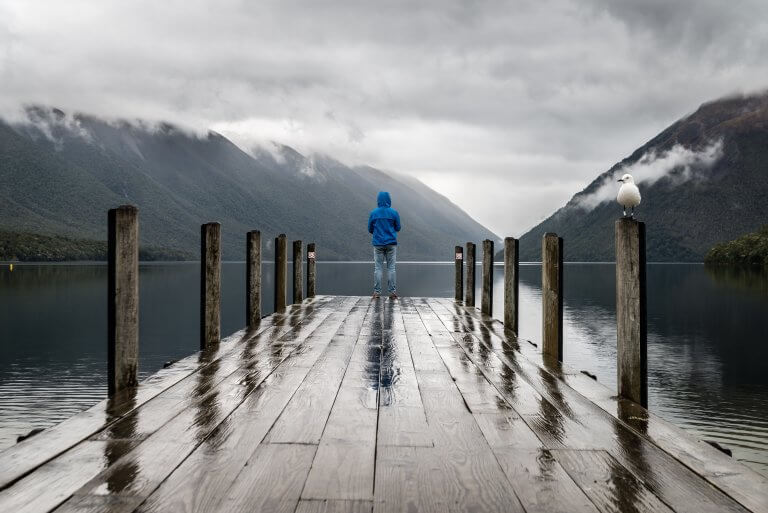
Photo credit: Ivana Cajina
Contrary to today’s standards where many backpackers choose to fly to their destination and start exploring from there, the first backpackers used the overland transport available from the beginning as flights were out of the price range for most eager young adventurers.
The first recorded ‘backpackers’ were a couple of English university students who, in 1955, set off to follow the Silk Road – an ancient trail created by Marco Polo to connect the east and the west. Since then, backpacking gained a reputation for being makeshift and inexpensive; an ideal form of travel for the broke student demographic.
Pretty soon, inspired and carefree, the backpacking phenomenon took off. The 1960s saw the birth of the Hippie Hashish trail which, as its name strongly suggests, saw many a happy young wanderlust westerner stumbling through Asia and coming to rest in a drug-fuelled blissful heap on a beach in India.
Needless to say, the route was a long one. Kicking off from Western Europe, backpackers would use the most shoestring mode of transport possible to take them to Istanbul and then onwards to Tehran, Kabul and into India. Some plucky adventurers would even push further Bangkok.
Backpacking symbolised a rebellion
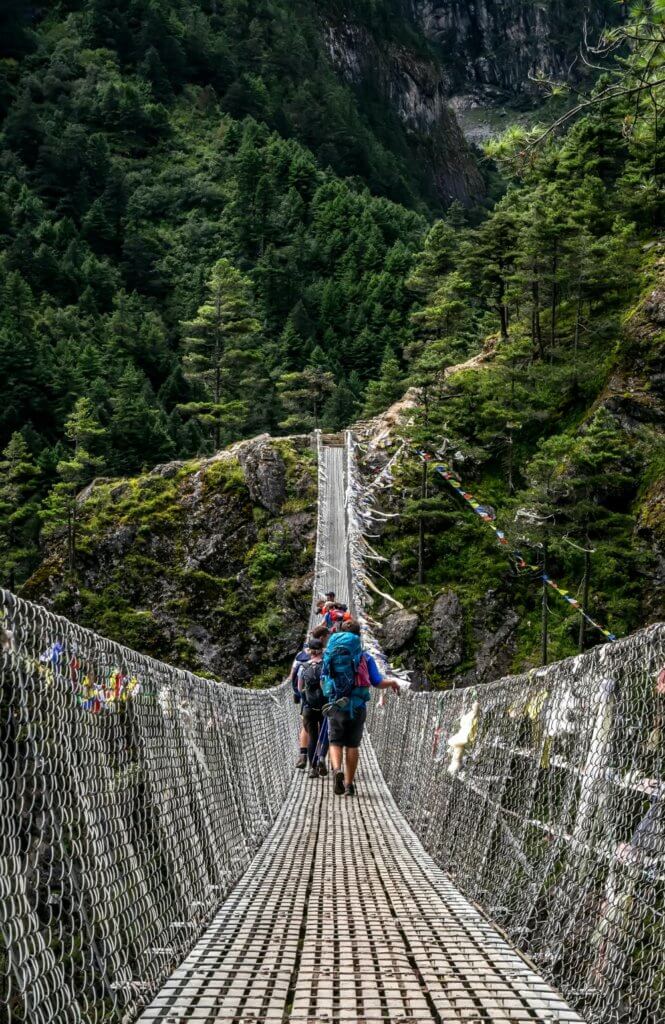
Photo credit: Toomas Tartes
Perhaps more hedonistic hippies than heroes, these backpackers symbolised a rebellion against the status quo. Suddenly the idea of settling down with one of those proper jobs on the 9-5 hamster wheel became a little too claustrophobic.
In some respects, the foundations of the counterculture are the same today. For some, backpacking still represents a fraction of that hedonistic frivolity, and there’s a dedicated following of the ‘sesh’ across the globe. Yep, we’ve all met those type of people…
For others (myself included), backpacking has an alluring charm to it which far outranks the luxury of a package holiday any day. Each to their own, but for me, a package holiday is not my kind of cuppa. They’re vacuous in comparison to backpacking’s more worldly cohort of slightly grungy, adventurous, wide-eyed thrill-seekers with a stack of weird and wonderful stories to tell.
Read More: 5 Essentials for Any Backpacker’s Packing List
So can backpackers save the world?
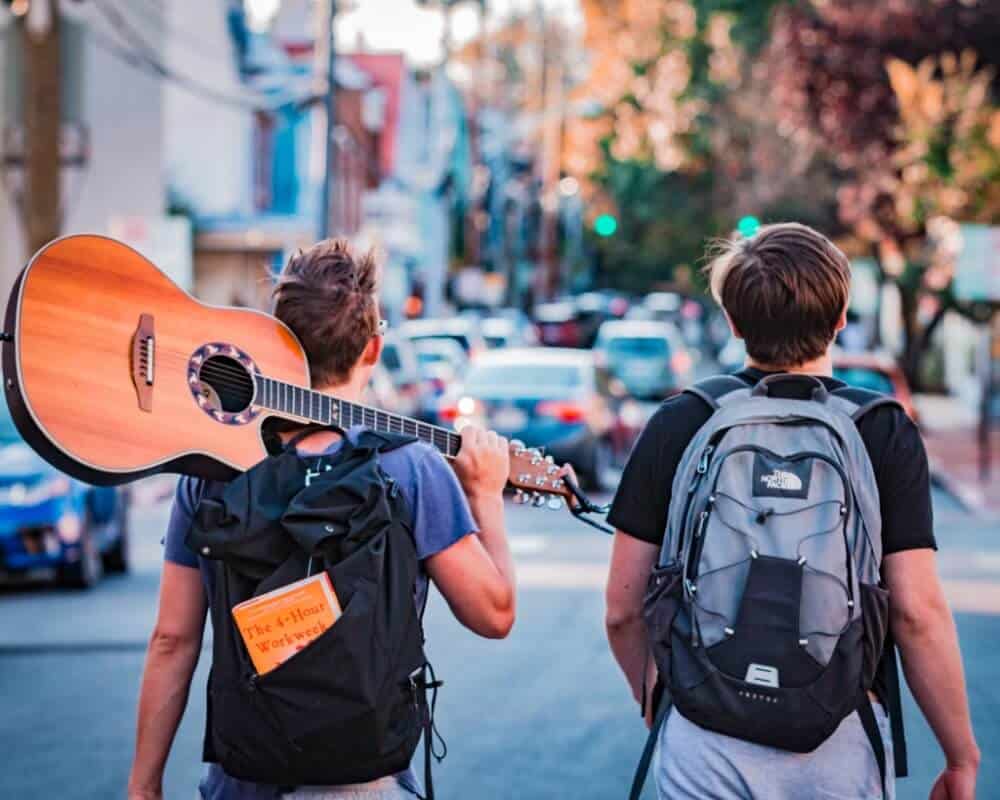
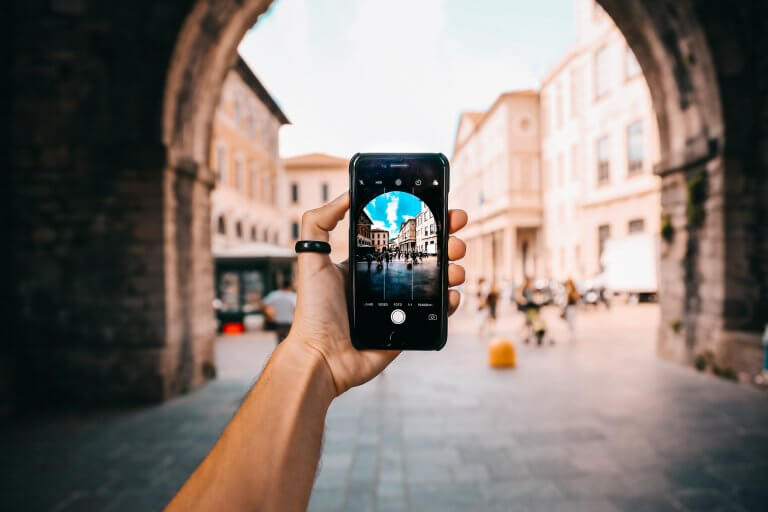
Photo credit: Austin Distel
Well, no not in the literal sense. Backpackers aren’t usually synonymous with superheroes. But inadvertently perhaps, the lifestyle provides a more tolerant understanding of cultural diversity.
Thanks to the habit of scrimping and saving, the natural habitat of the backpacker is the hostel. A social hub and community for travellers from every corner of the globe, hostels provide opportunities to create lasting friendships on an international scale.
In fact, as backpacking has grown in popularity, so too have hostels. They’re no longer seen as yucky holes of filth with overfriendly bed bugs and tetchy residents. Instead, with some boasting saunas, swimming pools and massage chairs, hostels have cultivated a certain amount of glitz and glam to rival many a luxury hotel.
Backpacking has now become an easier, safer, and more comfortable mode of travel, encouraging more people to attempt it and more friendships made. It’s not exactly a huge advancement in securing world peace but hey, at least it’s something!
Planning to book a hostel? Read my essential hostel survival kit first.
Backpacking can be more eco-friendly
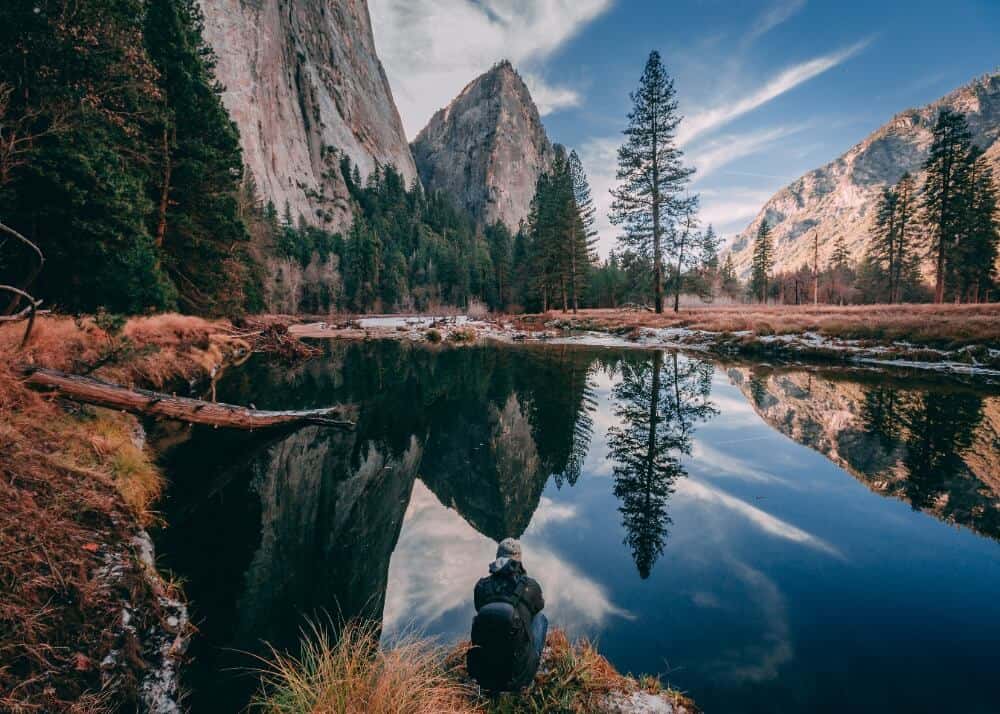
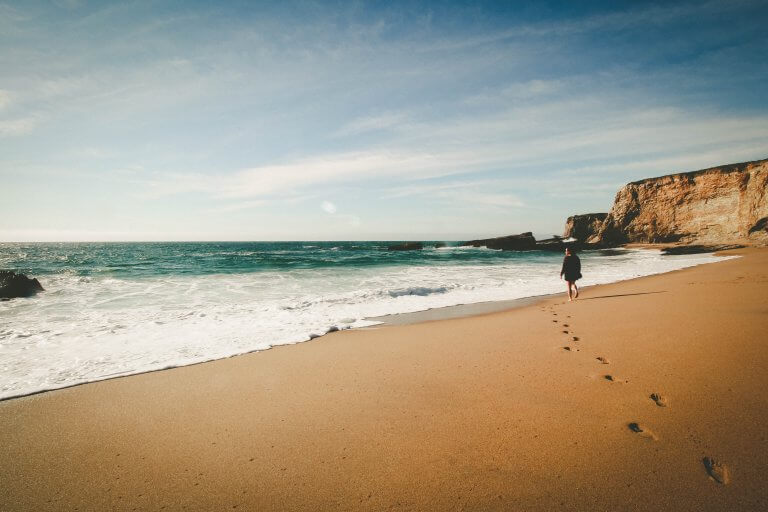
Photo credit: Jordan Pulmano
Backpackers may not have powers to rival Superman when it comes to the planet but in regards to sustainable travel, the lifestyle makes a pretty honourable attempt at it.
Yes, the ice caps are still melting, and the oceans remain as plastic-coated as ever. But, propelled by frugality and the frank inability to carry more than a rucksack, backpackers tend to choose practicality over materiality and so create less waste.
Backpackers also tend to survive on their own home cooking where possible because it’s cheaper than eating at restaurants for every meal. Although the menu tends to be pesto pasta (or just pasta), backpackers have the freedom to make more informed decisions about each ingredient and even eat more local and seasonal produce.
That’s not to say that restaurants don’t do this – they do and there are some seriously good sustainable restaurants out there – but cooking for yourself allows you to have more control over your food waste and consider your food air miles.
In fact, a hostel kitchen is a little like a zoo. If any passing traveller is foolish enough to leave their food unlabelled, well, kiss it goodbye because it’ll have already been snapped up by scavengers eager for a free meal. Wild but efficient, there’s no such thing as food waste here.
Read More: What is Sustainable Travel and Why Does it Matter?
Sharing is caring
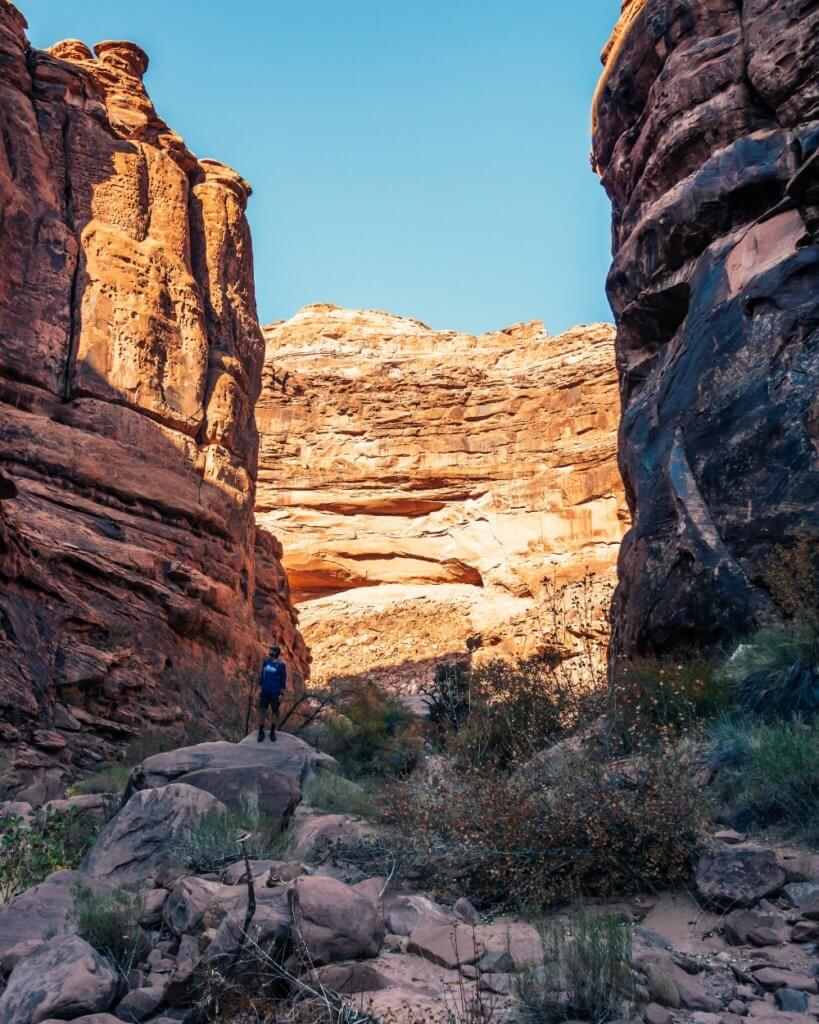
Photo credit: Jamie Fenn
From meals to rooms and carpools, the art of sharing is no strange feat for the backpacking community, giving the world’s resources a little respite. So, although can be an eco-friendly and cultural form of travel, backpacking may not save the world, but these attitudes that come with the lifestyle are a step in the right direction.
Read More: What Does Ecotourism Mean and Why is it Important?
Do you agree that backpacking allows for a more culturally-aware form of travel? Has the rise in gentrified and more expensive hostels endangered the backpacker lifestyle? Share your thoughts in the comments below!
READ NEXT
Adventure Seekers: What’s Behind the Popularity of Solo Female Travel?
Pin me for later!