Best Time to Visit Scotland (& The Worst!)
This post may contain affiliate / compensated links. As an Amazon Associate, I also earn from qualifying purchases at no extra cost to you. For full information, please see my disclaimer here. Thank you!
Trying to figure out the best time to visit Scotland? You’re in the right place. From autumn foliage to long summer days, each season brings its own magic. Choosing the right time of year is the key to planning your perfect trip.
After 10 years of exploring Scotland in every season, I know firsthand how famously unpredictable the weather can be. I’ve seen snow in June and blazing hot sunshine in September, even though it’s meant to be one of the wetter months.
But let’s be honest: no one comes to Scotland for guaranteed sunshine… It’s about finding the best time for what you want to see and do.
Whether you’re dreaming of hiking in the Highlands, island-hopping along the West Coast or spotting wildlife in the Cairngorms, this guide will help you work out when to plan your trip.
Read on to discover my favourite two months to visit Scotland, the cheapest times to travel, which months to avoid, when to escape the crowds and insider tips on what to expect in every season.
Best Time to Visit Scotland Overall
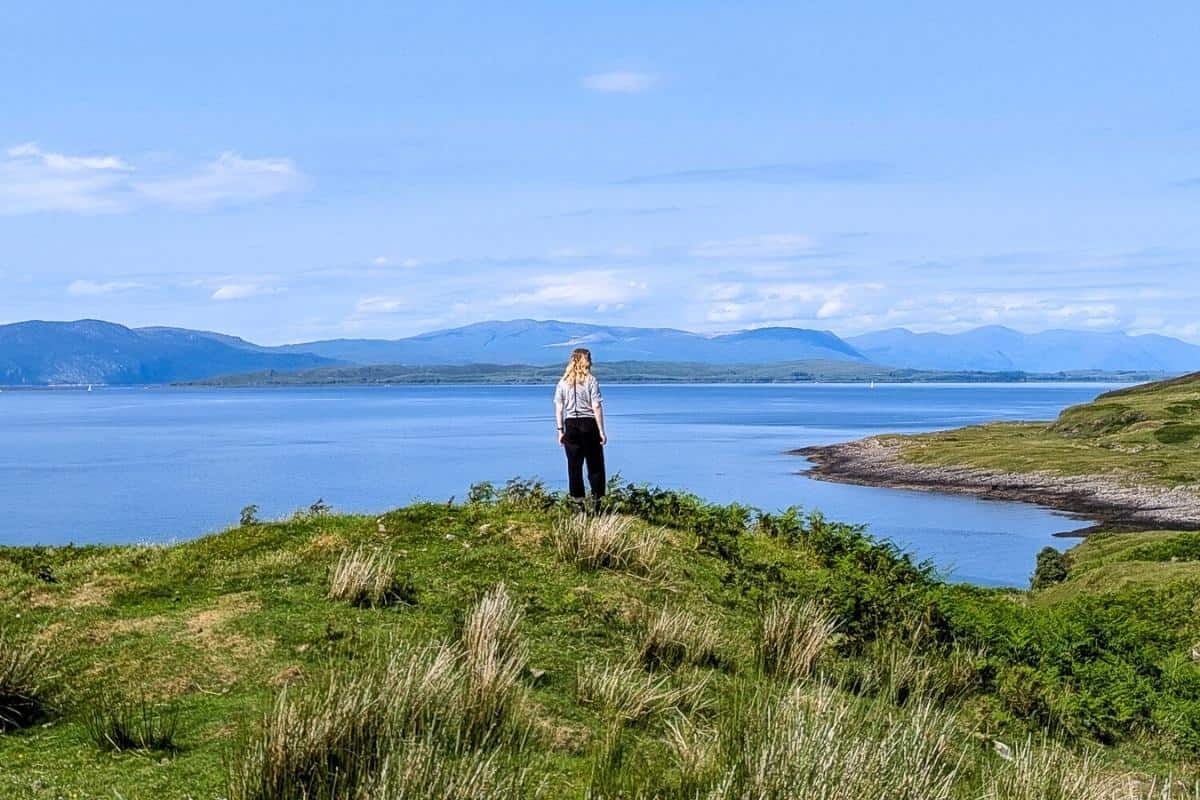
The shoulder months of May and September are the best times to visit Scotland. In May, the tourist season is just beginning, so the crowds haven’t reached their peak, but all the attractions are open for the summer.
The temperature is mild, averaging around 13°C (55.4°F), but you might still get some warmer weather. It’s also one of the driest months of the year.
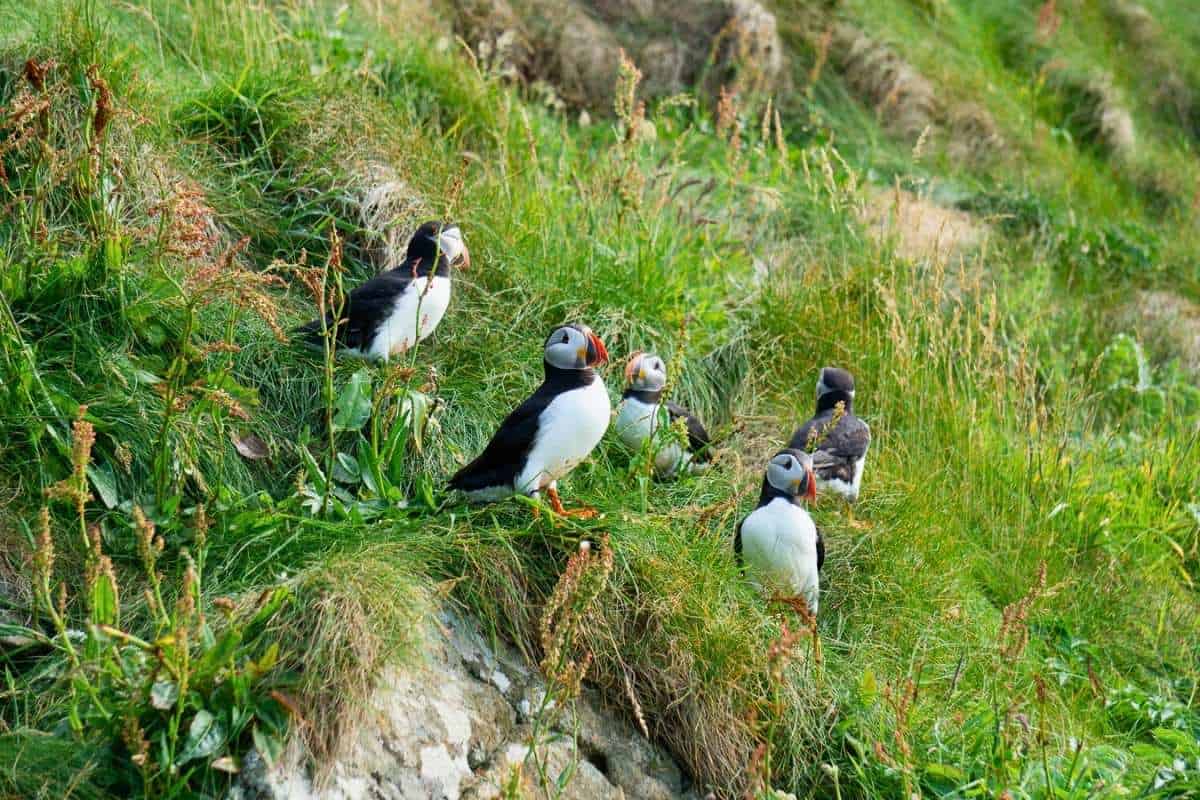
With longer daylight hours, you can spend more time enjoying the outdoors. It’s a great time of year to go wildlife-spotting with chances of seeing nesting puffins and sea eagles.
If you time your visit with early May, you’ll just catch the end of bluebell season. It’s also Whisky Month, and many distilleries host events to celebrate the ‘water of life.’
From September, the crowds reduce, but the weather is still mild, giving you the same benefits of summer without the tourists. Plus, there are fewer midges!
Although September is usually wetter than the summer months, I had blazing warm sunshine for nine out of the 10 days I’ve visited. My new jacket I bought specially, never made it out of my bag.
Though it’s still a little early for autumn foliage, leaves start to turn towards the end of the month, giving you a glimpse of the fiery colours to come. With the summer harvest underway, September brings a bounty of newly ripe fruit and veg to tuck into.
May and September are perfect months to explore Scotland by train, as you can travel along some of the country’s most scenic routes without the crowds.
Best Time to Visit Scotland to Avoid Crowds
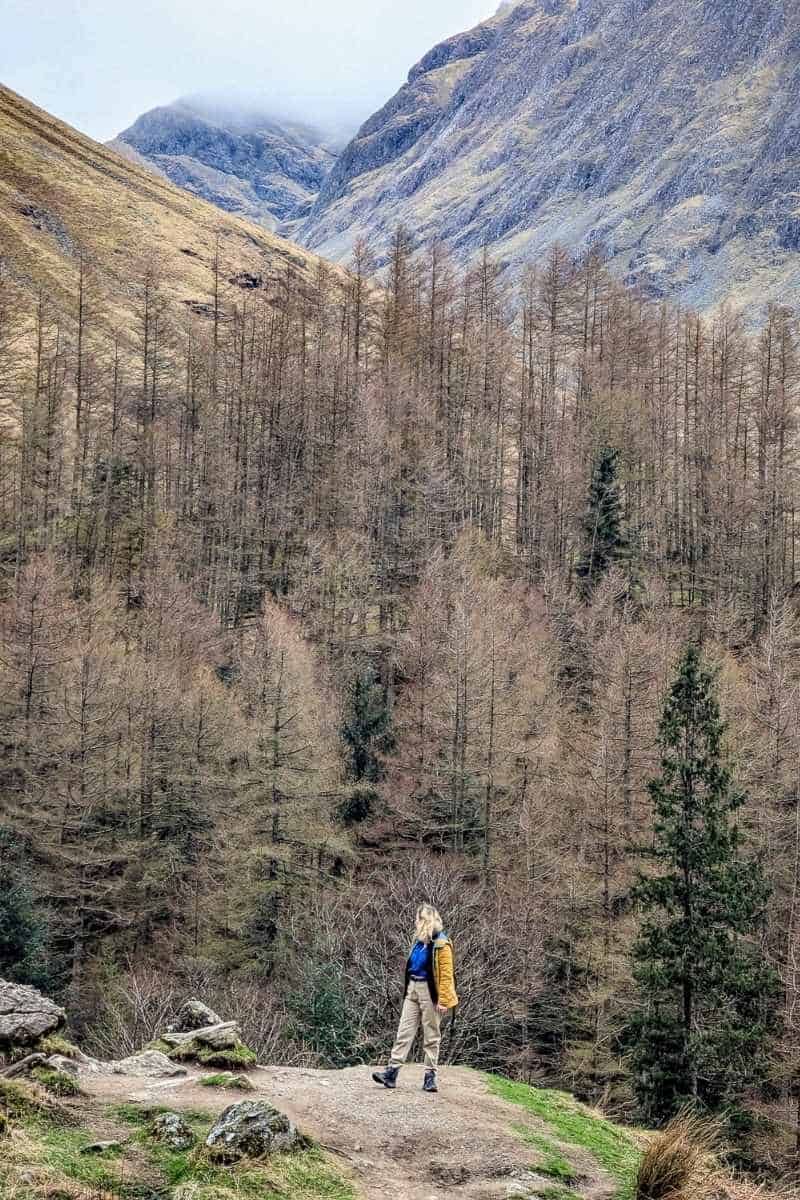
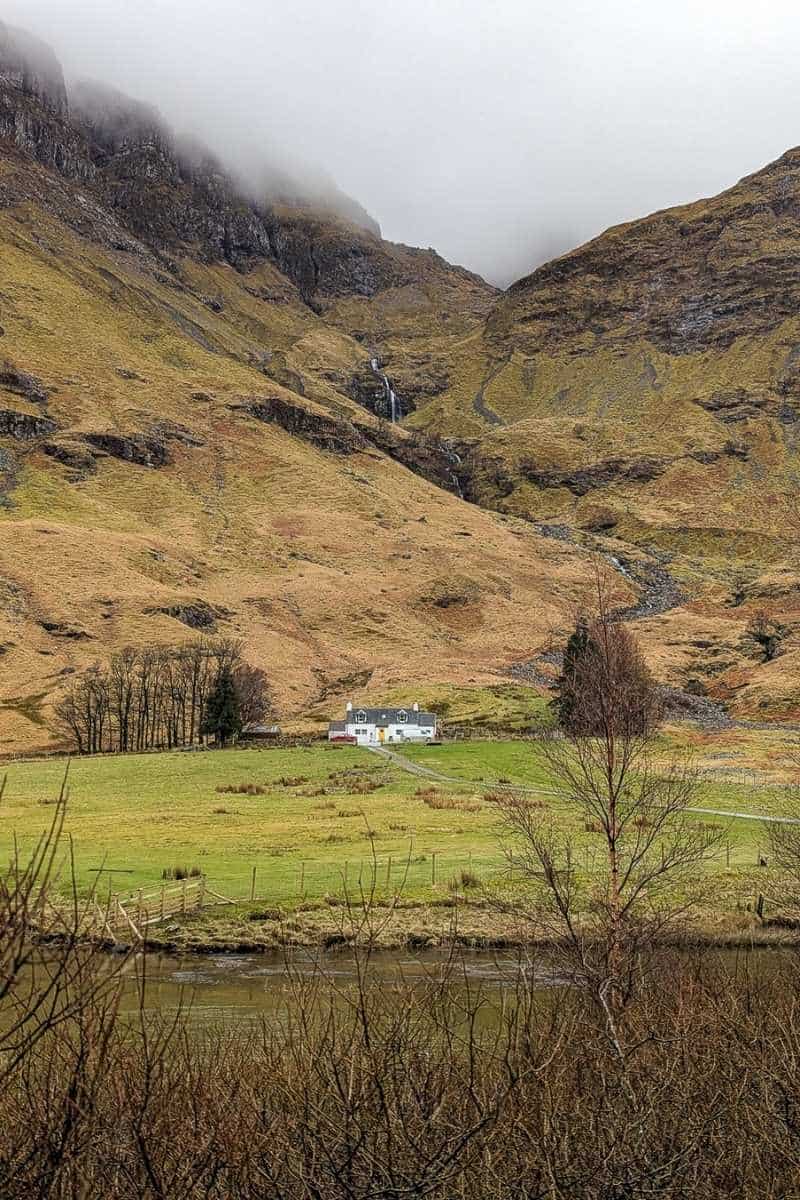
The quietest time to visit Scotland is after the Christmas season, from mid-January to mid-March. The festive crowds have dissipated in Edinburgh, and most people visiting in winter are up in one of the five ski centres in the Highlands, so it’s a good time to stay somewhere central without the crowds.
It’s the coldest time of year with shorter days and wet weather likely, but it’s an excuse to get cosy and ‘coorie in’ as the Scots say.
But this time of year is far from dull. The 25th of January is Burns Night, where people come together and tuck into a traditional supper of haggis, neeps and tatties alongside plenty of whisky to toast the nation’s famous bard.
The Highlands are covered in snow during the winter, but the islands on the West Coast are mostly snow-free. It’s a fantastic time of year to visit one of Scotland’s most popular destinations, the Isle of Skye, without the crowds.
There’s even a chance to see the Northern Lights, so it’s well worth downloading the Aurora app in case you get lucky.
Bear in mind that if you plan to drive, there’s likely to be snow and ice on the road and poor visibility. Ferries to the islands also operate on limited winter hours, and some tourist attractions are closed until April.
What Is the Cheapest Time to Go to Scotland?
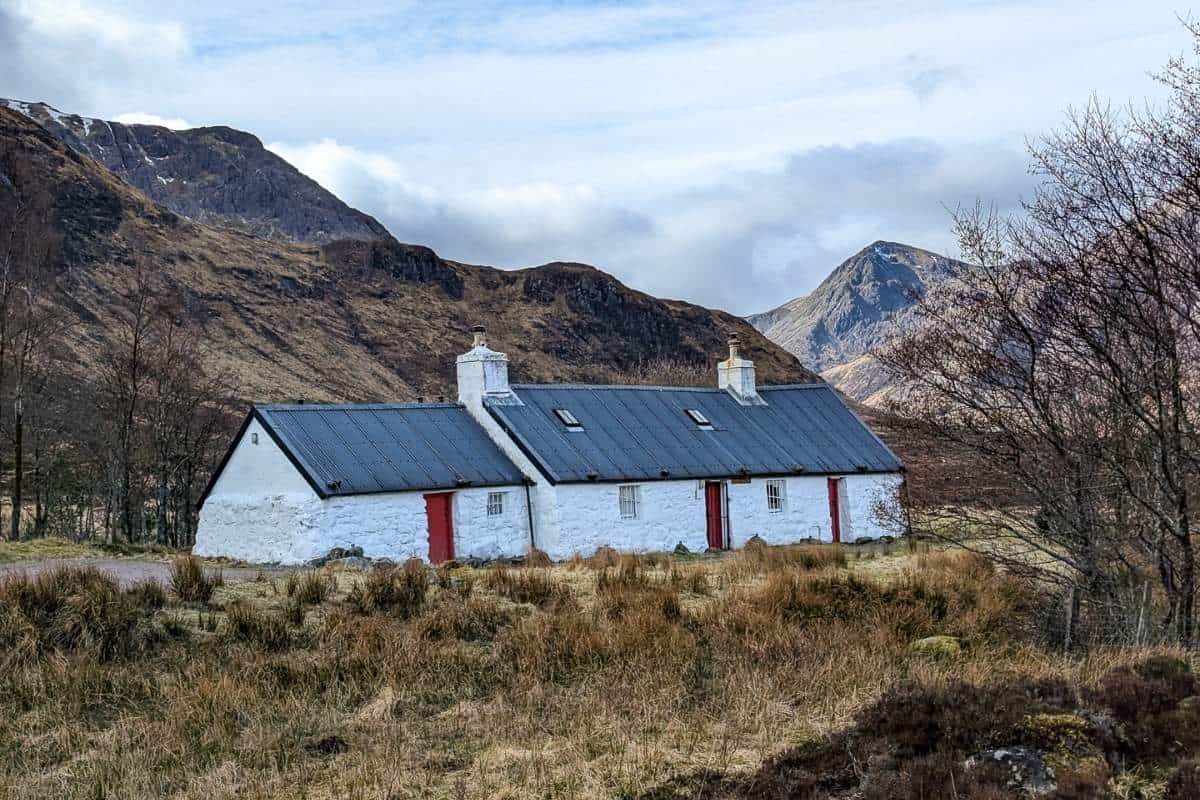
The cheapest time to visit Scotland is the off-season between November and mid-March, with one exception being Christmas and New Year’s Eve (Hogmanay).
This is winter, and you can expect cheaper accommodation prices ranging from £60 to £150 a night for a mid-range hotel. Tours and activities are much cheaper, with operators offering low-season discounts. Plus, there are fewer crowds and shorter queues to contend with.
Winter is magical in Scotland, but not all attractions and hotels are open. One example is the iconic Jacobite Steam Train, which is out of service from the end of October to the beginning of April.
It’s worth double-checking that the attractions you’re hoping to see are open before booking a trip in winter to save costs. You also have shorter daylight hours, colder temperatures and worse weather overall.

Worst Time To Visit Scotland
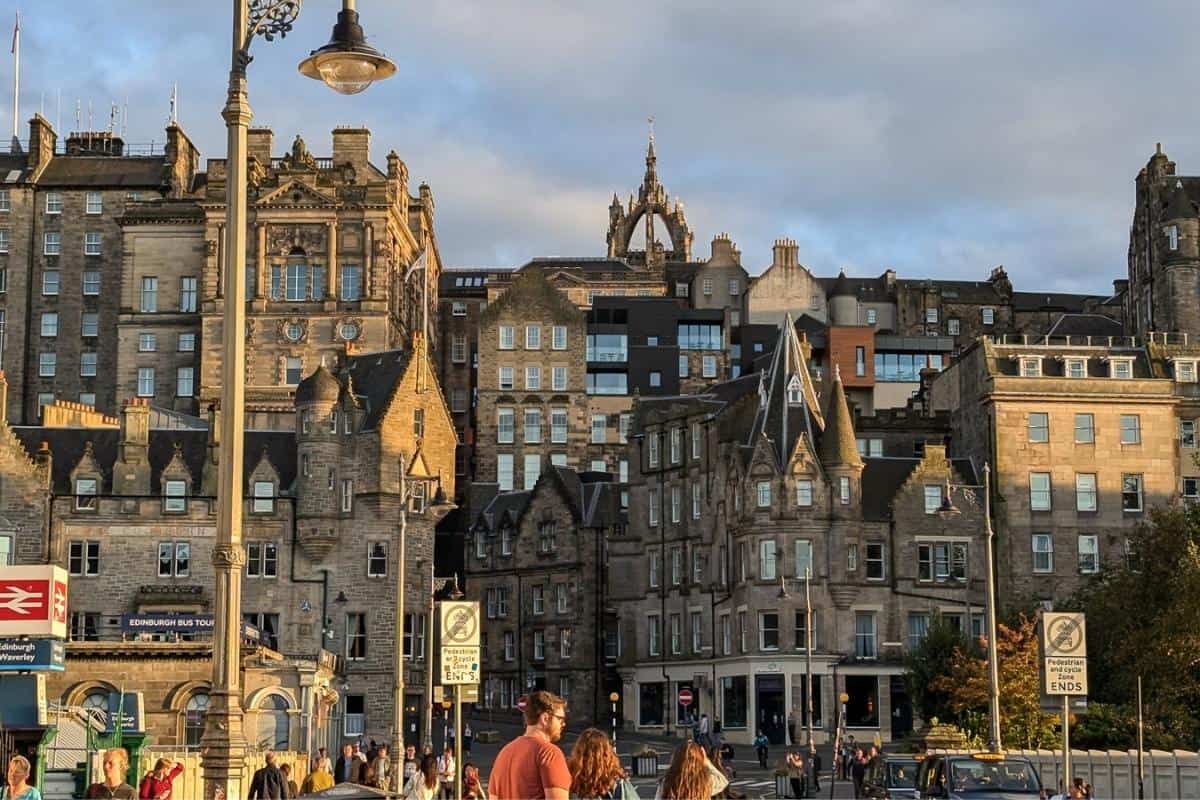
The worst time to visit Scotland depends on what you want to avoid. If you’re keen to escape the crowds, skip July and August.
They’re at the height of the peak season, and places like Edinburgh are particularly busy with crowds descending on the city for cultural festivals and events. It’s also the most expensive time of year, with higher demand for accommodation and attractions.
From May to September is midge season, so avoid these months if you don’t want to come into contact with these tiny biting gnats.
The worst weather is from October to March, as you can expect chilly temperatures, heavy grey skies, fewer daylight hours, as well as snow, ice and rain.
When to Visit Scotland by Month
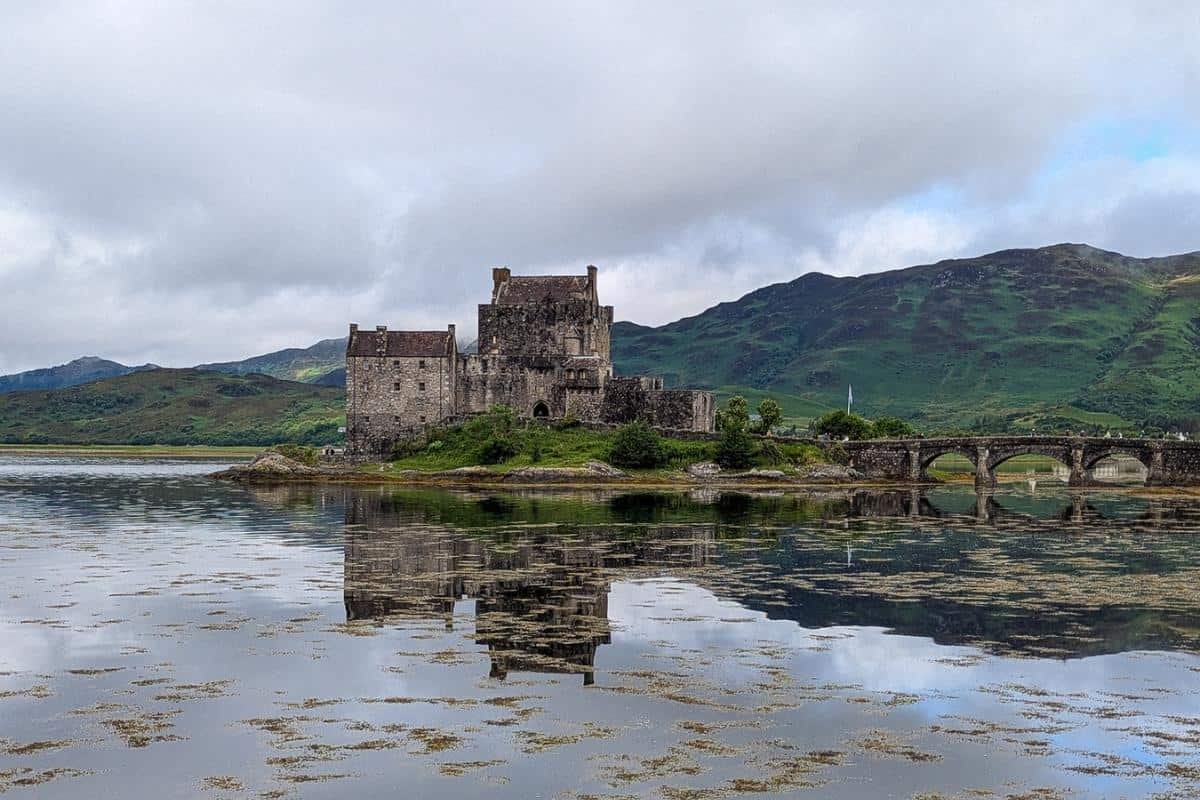
Here’s a quick overview of Scotland’s weather by month and what to expect throughout the year to help you decide:
Month: | Average Temp (°C): | Average Rain (mm): | Days of Rain: |
January | 0.34-5.55 | 177.89 | 18.48 |
February | 0.26-5.95 | 140.74 | 16.10 |
March | 1.19-7.63 | 124.48 | 15.92 |
April | 2.78-10.31 | 93.01 | 13.70 |
May | 4.98-13.37 | 89.19 | 13.38 |
June | 7.86-15.59 | 92.92 | 13.75 |
July | 9.70-17.29 | 103.67 | 14.93 |
August | 9.61-16.96 | 120.03 | 15.51 |
September | 7.88-14.78 | 123.36 | 14.85 |
October | 5.14-11.27 | 168.25 | 17.96 |
November | 2.49-7.97 | 165.23 | 18.48 |
December | 0.37-5.82 | 173.94 | 18.22 |
Chart data sourced from the Met Office.
January
After the excitement of Christmas and Hogmanay, January is a quiet and cold month. It’s the wettest month of the year on average, so pack waterproofs. Bundle up in warm winter gear and head out on bracing walks, or retreat to the pub to sit by a roaring fire.
The 25th is Burns Night, a festival where the Scots feast on a traditional Burns Supper of haggis, neeps and tatties — and plenty of whisky!
On the last Tuesday of January, Shetland celebrates Up Helly Aa, a festival with torchlit processions and the burning of a Viking longship.
February
February is one of the coldest months in Scotland. Snow still lingers in the Highlands, and you can expect frosty, ice-dusted mornings. The landscape is utterly bewitching, but the weather can change quickly, so exercise caution when hiking any Munros.
Sports fans can get in on the Six Nations Rugby Championship. It won’t be hard to find a pub showing the matches.
Castles and gardens across Scotland take part in the annual Snowdrop Festival, while Valentine’s Day is the perfect excuse to book a romantic bothy for two in the countryside.
March
It’s early spring, and the weather starts to get milder, though the ground is still frosty and hard. Daffodils and crocuses begin to bloom, and lambing season gets underway. The ski season starts to tail off as the snow thaws.
It’s a quieter time to visit, with some attractions still closed for the winter. You can still make the most of low-season accommodation prices. I saved about £100 glamping in Glencoe in March. I wasn’t cold at all!
The Glasgow Film Festival runs from late February to early March, rolling into the Glasgow International Comedy Festival in the latter half of the month.
April
Hello spring! Many castles and tourist attractions open for the summer season in April. The Jacobite Steam Train starts running a daily morning service, and ferries start their summer timetables.
Outside of the Easter holidays, April is still a quieter time to visit. Look out for newborn lambs as well as bluebells and yellow gorse in bloom. Migrating birds return for the warmer months, including swallows, puffins and cuckoos.
And if you feel like something a bit different, Edinburgh’s annual Beltane Fire Festival takes place on the 30th of April. This modern reinterpretation of the Iron Age ritual celebrates the beginning of summer.
May
The best time to visit Scotland! The tourist crowds haven’t arrived yet, and the weather is often drier than during the summer months.
The lush green landscape sets the scene for beautiful countryside walks. It’s the best time to visit the Scottish Highlands, as midge numbers aren’t as prolific.
May is also Whisky Month, so if you enjoy your dram, it’s well worth timing your visit to celebrate the ‘water of life’ at distilleries around the country.
The Highland Games season officially kicks off in May and runs until the end of September. Check the Royal Highland Games Association for dates.
June
Scotland in June is blessed with the longest days of the year, with 17 to 19 hours of daylight. It doesn’t get fully dark in the far north. Even in Inverness, it was still twilight at 11pm when I visited during the summer solstice.
June is the perfect time of year to get outdoors and make the most of Scotland’s summer activities, whether that’s hiking, kayaking, camping or relaxing on a white sand beach off the West Coast.
This is also a top month for wildlife. Seabirds like razorbills, gannets, guillemots and puffins are all nesting around the coastlines. Keep an eye out for seal pups, basking sharks, badgers, bats and pine martens.
July
July is another top month for outdoor activities, with plenty of warm weather and long daylight hours. Sunsets are spectacular this time of year, with drawn-out golden hours to bask in. Look out for otters foraging along the coastlines at dusk!
It’s also the height of the summer season, so popular places like Glencoe and Skye are very busy. It’s worth booking well in advance or visiting alternative scenic spots, like Raasay or Glen Affric.
August
Scotland in August is busy with tourists, but it’s the best time to visit Edinburgh for arts and culture. The Edinburgh Festival Fringe is the world’s biggest arts festival, and the city is packed with performances, comedy shows and music of every kind.
The city also hosts the Edinburgh International Book Festival, the Edinburgh Art Festival and the Edinburgh Royal Military Tattoo. Book your accommodation well in advance if you want a chance of an affordable stay.
August is the height of midge season. If you plan to do any outdoor activities, come armed with Smidge midge repellent and hope for wind to drive them off. Want to stay one step ahead? Check the Scottish Midge Forecast before you plan your day’s adventure.
September
September is my second favourite time to visit. The weather is still mild, and the daylight hours are long enough to make the most of the outdoors. It’s a lovely month to take a scenic rail journey through Scotland.
I’ve had cool temperatures and blazing sunshine, so the weather can be a mixed bag. Make sure you pack for all weather to be prepared.
The UK school holidays are over, so attractions are quieter. It’s the tail-end of midge season and the summer harvest is in full swing, which means tasty fresh fruit, berries and seafood.
October
October is when the Scottish landscape is awash with fiery autumn foliage. I took part in a rewilding weekend in the Cairngorms and spent a happy few days on cosy autumn walks. The weather is crisp and cool, with plenty of rain.
Ferries start operating on a winter timetable, and some attractions like the Jacobite Steam Train close for the season at the end of the month.
The hugely popular Enchanted Forest returns to Pitlochry, and you’ll need to book tickets. Never mind Halloween, celebrate the Gaelic way by attending the Samhuinn Fire Festival in Edinburgh on October 31st.
November
November in Scotland is colder and darker, but you can still catch the last of the autumn foliage. Towards the middle of the month, the Christmas festivities begin.
Darker skies give you the perfect opportunity for star-gazing. Download the free Aurora app, as you might be lucky enough to see the Northern Lights.
December
The lead-up to Christmas is fully underway in December. Edinburgh Christmas Market always brings a crowd, so try to avoid weekends if you can for a quieter visit.
Castles that are still open in winter are adorned with festive decorations, and the Cairngorm Reindeer Centre near Aviemore offer popular paddock visits.
Depending on snow, the ski season kicks off by the end of the month and Christmas rolls into Hogmanay (New Year’s Eve) celebrations.
Frequently Asked Questions
Still have a few questions about the best months to visit Scotland? Check out these frequently asked questions below.
What month is best to travel to Scotland?
I recommend visiting in May. It’s the best time of year to travel to Scotland. The weather is dry and mild, and attractions are open for the summer, but the tourist season hasn’t peaked.
With an average of 15-17 daylight hours, you’ve also got plenty of time to explore. Spring flowers like cherry blossom, gorse and hawthorn are in bloom, and you can see wildlife like nesting seabirds as well as sea eagles, dolphins and seals.
The puffins have returned to Scotland’s coastlines and offshore islands, and there’s a chance to see newborn chicks, called ‘pufflings’, by the end of the month leading into June.
What is the rainy season in Scotland?
According to the Met Office, January is the wettest month, followed by December. That being said, Scotland’s weather is famously changeable, and rain showers are common throughout the year, but they pass quickly.
Always pack a waterproof jacket just in case. It’s one of my most important Scotland travel tips.
What is the best time to go to Scotland to avoid midges?
Midge season runs from April to September, with July and August being the peak months. The best time to go to Scotland to escape the midges is from October to March, as temperatures are too cold for them.
These tiny biting gnats are found across Scotland, especially on the West Coast and the West Highlands. They love marshy areas near lochs, rivers and coastlines, and are most active at dawn and dusk.
I’ve been to Scotland in June and only encountered midges once, so it’s possible to avoid them no matter what time of year you visit. And don’t worry, although a nuisance, midges are not dangerous, as they don’t pass disease to humans.
What time of year is Scotland most beautiful?
Every season has its own beauty in Scotland, but if we’re picking one, it has to be autumn. From the end of September right through October and November, leaves turn fiery shades of orange, red, yellow and brown.
This is the time of year to go on crisp autumn walks in Highland Perthshire, including places like Pitlochry, Dunkeld and Blair Atholl. My favourite autumn location is The Hermitage, a spectacular forest surrounding the Black Linn Falls.
Edinburgh’s Gothic architecture looks even more dramatic against the autumn foliage, and the chilly temperatures are an excuse to cosy up with a decadent hot chocolate or two.
Final Thoughts on When to Visit Scotland
To wrap it up, the best time of year to visit Scotland is May or September. These shoulder seasons are mild with long daylight hours to make the most of, and you’ll avoid the peak tourist crowds.
If you want the best weather in Scotland and incredible wildlife experiences, book your trip for May. On average, it’s the driest time of year, plus you can see nesting puffins.
For seasonal food, early autumn vibes, and the chance to see red squirrels, visit in September. It isn’t as dry as May, but as the saying goes in Scotland, “there’s no such thing as bad weather, just the wrong clothes.”
Need some help with what to pack? Check out my complete Scotland packing list for all seasons.